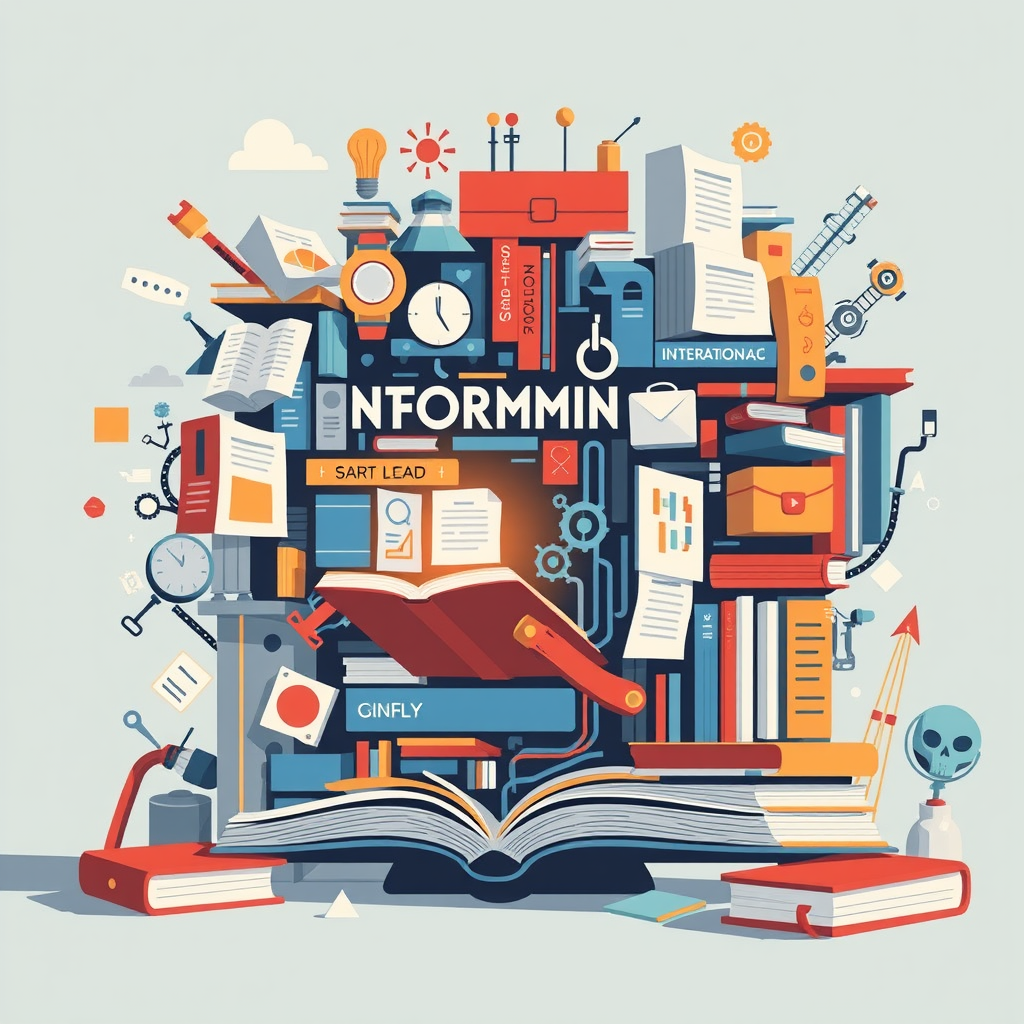
In today's world, we're constantly bombarded with information from all directions. With the rise of the internet, social media, and mobile devices, the amount of data we're exposed to every day is staggering. We can access the sum of human knowledge at our fingertips, and yet, we're struggling to make sense of it all. This phenomenon is known as information overload, and it's becoming the new illiteracy of the digital age.
The Paradox of Information
Just a few decades ago, access to information was limited. We relied on physical books, libraries, and newspapers to stay informed. But with the advent of the internet, the amount of information available has increased exponentially. Today, we can find answers to almost any question in a matter of seconds. We can access news from around the world, educational resources, and entertainment on demand.
However, this abundance of information has created a paradox. While we have more access to knowledge than ever before, we're also struggling to process and make sense of it all. We're suffering from information overload, and it's affecting our productivity, relationships, and overall well-being.
The Symptoms of Information Overload
So, what are the symptoms of information overload? Here are a few:
- Decision Fatigue: With so many options and choices available, we're feeling overwhelmed and unable to make decisions.
- Distraction: Social media, email, and text messages are constantly interrupting us, making it difficult to focus on a single task.
- Information Anxiety: We're feeling anxious and stressed about the sheer amount of information we're exposed to every day.
- Lack of Depth: We're skimming the surface of information, rather than diving deeper and gaining a deeper understanding of the subject matter.
- Memory Loss: We're struggling to remember important information, due to the sheer amount of data we're exposed to every day.
The Causes of Information Overload
So, what's causing this information overload? Here are a few factors:
- Social Media: Social media platforms are designed to be addictive, with algorithms that keep us engaged for hours on end.
- Email and Messaging: Email and messaging apps are constantly interrupting us, making it difficult to focus on a single task.
- Information Overabundance: There's simply too much information available, making it difficult to process and prioritize.
- Lack of Critical Thinking: We're not being taught how to critically evaluate information, leading to a lack of discernment and understanding.
The Consequences of Information Overload
So, what are the consequences of information overload? Here are a few:
- Decreased Productivity: We're spending more time searching for information than actually working on tasks.
- Strained Relationships: Information overload is affecting our relationships, as we're spending more time staring at screens than interacting with others.
- Mental Health: Information overload is contributing to anxiety, depression, and other mental health issues.
- Lack of Creativity: We're not being exposed to new ideas and perspectives, leading to a lack of creativity and innovation.
The Solution to Information Overload
So, how can we overcome information overload? Here are a few strategies:
- Prioritize: Prioritize the information you're exposed to, and focus on the most important tasks and decisions.
- Critical Thinking: Learn how to critically evaluate information, and avoid spreading misinformation.
- Digital Detox: Take breaks from technology, and engage in activities that promote relaxation and focus.
- Deep Learning: Focus on deep learning, rather than surface-level understanding.
- Information Literacy: Develop information literacy skills, such as how to search for information, evaluate sources, and avoid bias.
Conclusion
Information overload is the new illiteracy of the digital age. While we have more access to knowledge than ever before, we're struggling to process and make sense of it all. By understanding the symptoms, causes, and consequences of information overload, we can take steps to overcome it. By prioritizing, critically thinking, digitally detoxing, deep learning, and developing information literacy skills, we can regain control over our information and make the most of the knowledge available to us.
Keywords: information overload, digital age, knowledge paradox, decision fatigue, distraction, information anxiety, lack of depth, memory loss, social media, email, messaging, information overabundance, lack of critical thinking, decreased productivity, strained relationships, mental health, lack of creativity.
Recommendations for Further Reading:
* "The Information Paradox" by George A. Miller * "The Shallows: What the Internet Is Doing to Our Brains" by Nicholas Carr * "The End of Absence: Reclaiming What We've Lost in a World of Constant Connection" by Michael Harris * "Deep Work: Rules for Focused Success in a Distracted World" by Cal Newport
Recommendations for Further Action:
* Take a digital detox for at least one hour a day * Prioritize your tasks and focus on the most important ones * Develop critical thinking skills by reading and evaluating information from multiple sources * Engage in activities that promote relaxation and focus, such as meditation or yoga * Learn how to search for information, evaluate sources, and avoid bias.

No comments:
Post a Comment