Introduction
In today's fast-paced world, we're more connected than ever before. We have smartphones, social media, and the internet at our fingertips, making it easier than ever to stay in touch with friends and family. However, despite this increased connectivity, many people are feeling more lonely than ever. In fact, loneliness has become a significant public health concern, with studies showing that it can have serious effects on our mental and physical health.
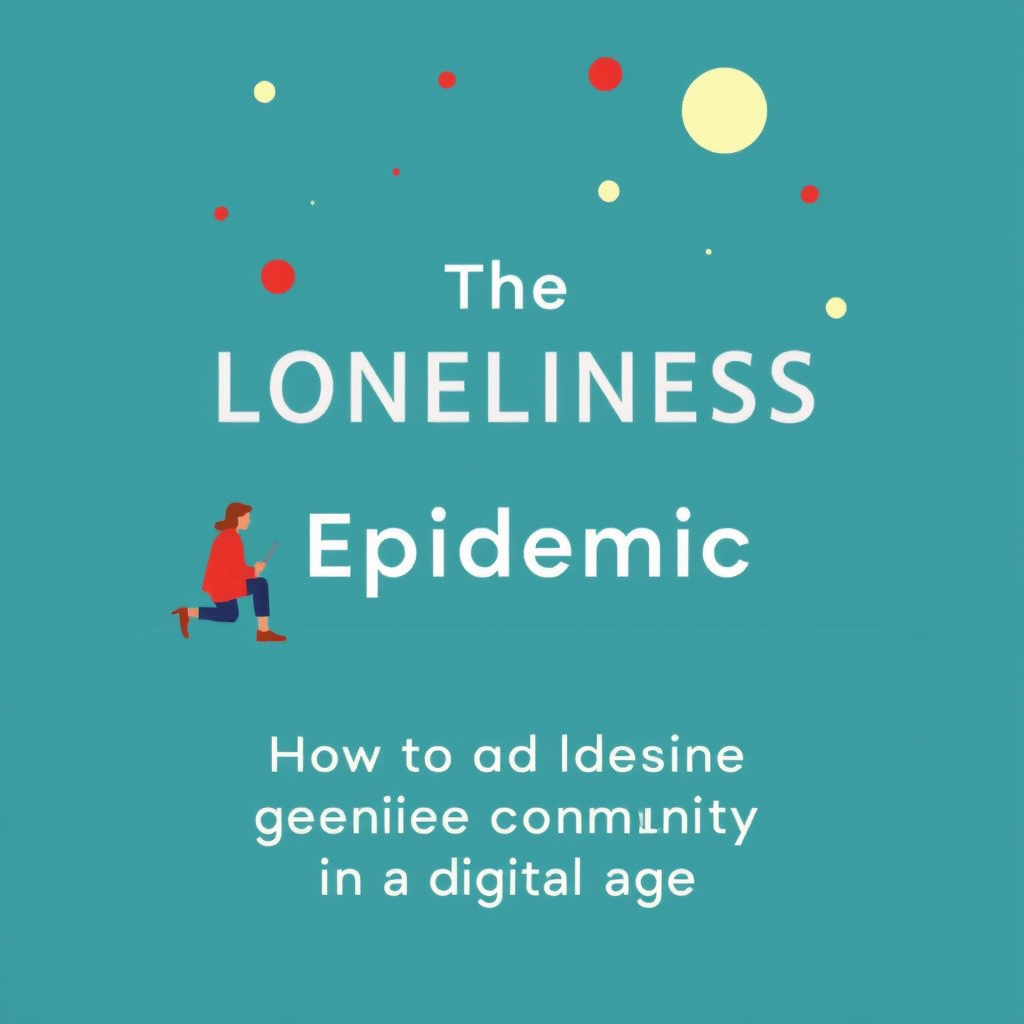
The Loneliness Epidemic
Loneliness is a complex issue that affects people of all ages and backgrounds. According to a recent survey, over 50% of Americans report sometimes or always feeling alone. In the UK, a similar survey found that 1 in 5 people feel lonely, with some areas having rates as high as 1 in 4.
Loneliness can be caused by a range of factors, including:
* Social isolation: Feeling disconnected from others, whether it's due to a busy schedule or living in a rural area. * Mental health: Struggling with anxiety, depression, or other mental health conditions that can make it difficult to connect with others. * Technology: Spending too much time on devices and social media, which can lead to feelings of isolation and disconnection.
The Effects of Loneliness
Loneliness can have serious effects on our mental and physical health, including:
* Increased risk of depression: Studies have shown that loneliness can increase the risk of depression by up to 50%. * Weakened immune system: Chronic loneliness can weaken our immune system, making us more susceptible to illness. * Reduced life expectancy: Studies have shown that loneliness can reduce life expectancy by up to 15 years.
Building Genuine Community in a Digital Age
So, how can we build genuine community in a digital age? Here are some tips:
* Put down your phone: Take breaks from your devices and spend time with others in person. * Join a club or group: Find a hobby or interest and join a club or group of like-minded people. * Volunteer: Helping others through volunteering can be a great way to meet new people and build connections. * Host a gathering: Invite friends and family over for a meal or game night, and make an effort to stay connected. * Practice empathy: Make an effort to understand and connect with others, even if you don't have a lot in common. * Seek help: If you're struggling with loneliness, don't be afraid to seek help from a mental health professional.
Creating Meaningful Connections
Creating meaningful connections with others requires effort and intention. Here are some tips:
* Listen actively: When engaging with others, make sure to listen actively and show interest in their thoughts and feelings. * Ask open-ended questions: Encourage meaningful conversations by asking open-ended questions that can't be answered with a simple "yes" or "no". * Show appreciation: Express gratitude and appreciation for others, whether it's through a kind word or a small gift. * Be present: Make an effort to be fully present when interacting with others, putting away distractions like phones and focusing on the conversation.
The Power of Shared Activities
Shared activities can be a great way to build connections with others. Here are some ideas:
* Sports teams: Join a local sports team or club to meet new people and stay active. * Cooking classes: Take a cooking class or join a cooking group to learn new skills and connect with others. * Book clubs: Join a book club or start one with friends to discuss books and connect with others who share similar interests. * Volunteer groups: Join a volunteer group or start one to help others and build connections.
Conclusion
Building genuine community in a digital age requires effort and intention. By putting down our phones, joining clubs and groups, volunteering, hosting gatherings, practicing empathy, seeking help, creating meaningful connections, and engaging in shared activities, we can build stronger, more meaningful connections with others.
Additional Resources
If you're struggling with loneliness or want to learn more about building genuine community, here are some additional resources:
* National Alliance on Mental Illness (NAMI): A organization that provides support and resources for people struggling with mental health conditions. * Crisis Text Line: A text line that provides free, 24/7 support for people in crisis. * Local community centers: Many community centers offer classes, workshops, and other activities that can help you build connections with others.
Final Thoughts
Building genuine community in a digital age is easier than you might think. By taking small steps towards connection and community, we can build stronger, more meaningful relationships with others. Whether it's joining a club, volunteering, or simply putting down our phones and engaging with others, we have the power to create a more connected, more compassionate world.
Keywords:
* Loneliness * Social isolation * Mental health * Technology * Community * Connection * Empathy * Shared activities * Volunteerism * Mental illness * Crisis text line * National Alliance on Mental Illness
Target Audience:
* Young adults (18-35) * Parents and caregivers * Mental health professionals * Community leaders * Educators * Anyone interested in building genuine community and reducing loneliness

No comments:
Post a Comment