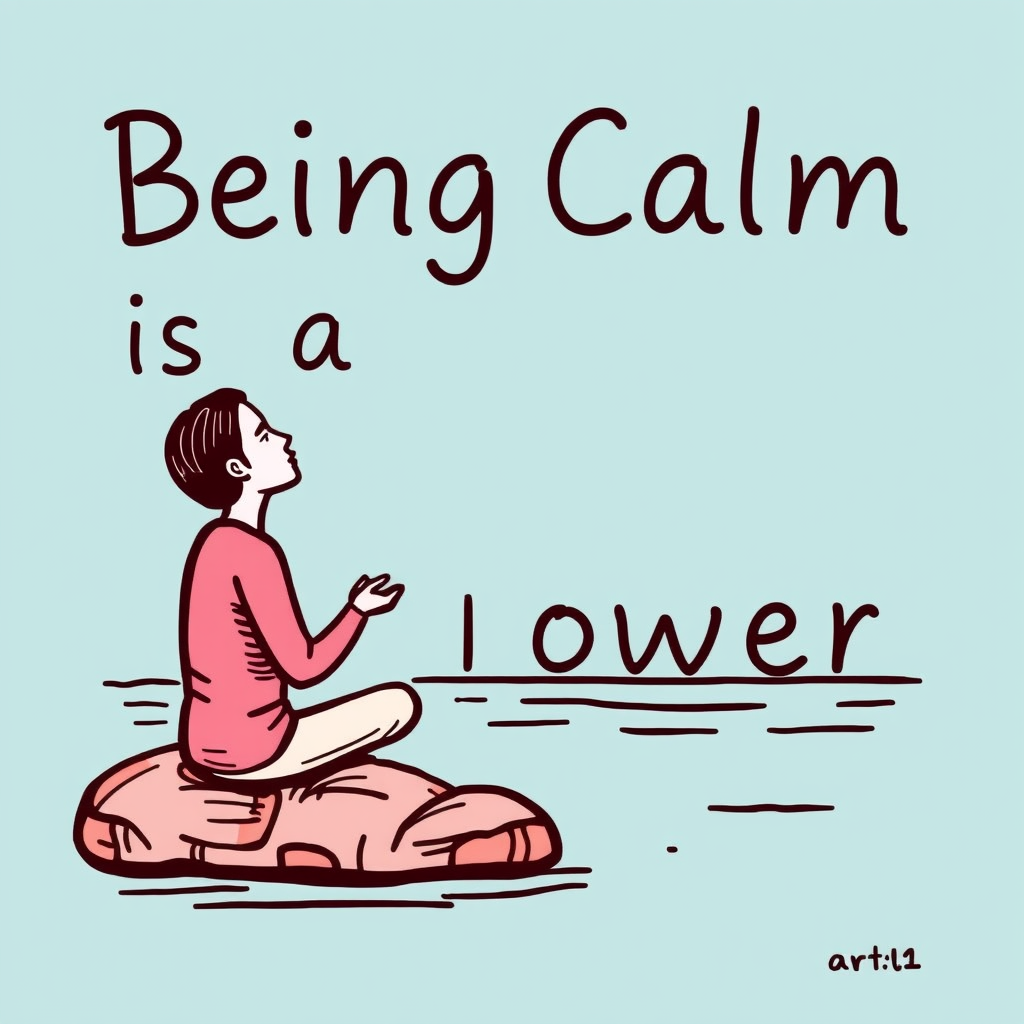
Imagine you're in a situation where you're feeling really angry or upset, and someone else is trying to calm you down. They might say something like, "Hey, take a deep breath and relax." But have you ever stopped to think about what it means to be calm? And why is it so important?
In this blog post, we're going to explore the power of being calm and how it relates to emotional intelligence. We'll talk about what emotional intelligence is, why it's so important, and how you can use it to your advantage.
What is Emotional Intelligence?
Emotional intelligence, or EQ, is the ability to recognize and understand emotions in yourself and others. It's like having a superpower that helps you navigate the ups and downs of life. People with high emotional intelligence are better at managing their own emotions, as well as the emotions of those around them.
There are several key components of emotional intelligence:
- Self-awareness: This is the ability to recognize and understand your own emotions. It's like being able to read your own emotions like a book.
- Self-regulation: This is the ability to control your own emotions and behaviors. It's like being able to calm yourself down when you're feeling upset.
- Motivation: This is the ability to use your emotions to motivate yourself and achieve your goals. It's like being able to use your emotions to drive you forward.
- Empathy: This is the ability to understand and share the feelings of others. It's like being able to put yourself in someone else's shoes.
- Social skills: This is the ability to effectively communicate and interact with others. It's like being able to talk to anyone and make friends easily.
Why is Emotional Intelligence Important?
Emotional intelligence is important because it helps you navigate the world in a more effective and positive way. When you have high emotional intelligence, you're better able to:
- Manage stress and anxiety: When you're able to recognize and understand your emotions, you're better able to manage stress and anxiety.
- Build strong relationships: When you're able to understand and empathize with others, you're better able to build strong relationships.
- Achieve your goals: When you're able to use your emotions to motivate yourself, you're better able to achieve your goals.
- Make better decisions: When you're able to understand and consider the emotions of others, you're better able to make better decisions.
The Power of Being Calm
Being calm is a power move because it allows you to navigate the world in a more effective and positive way. When you're calm, you're better able to:
- Think clearly: When you're calm, you're better able to think clearly and make good decisions.
- Communicate effectively: When you're calm, you're better able to communicate effectively and build strong relationships.
- Manage stress and anxiety: When you're calm, you're better able to manage stress and anxiety.
- Achieve your goals: When you're calm, you're better able to achieve your goals.
How to Practice Emotional Intelligence and Being Calm
So, how can you practice emotional intelligence and being calm? Here are a few tips:
- Practice mindfulness: Mindfulness is the practice of being present in the moment and paying attention to your thoughts and emotions. You can practice mindfulness by taking a few deep breaths and focusing on the present moment.
- Recognize and understand your emotions: Take the time to recognize and understand your emotions. Ask yourself, "What am I feeling right now?" and "Why am I feeling this way?"
- Use positive self-talk: Use positive self-talk to help you manage your emotions and stay calm. Instead of saying, "I'm so angry," say, "I'm feeling angry, but I can manage it."
- Practice self-care: Take care of yourself by getting enough sleep, eating healthy foods, and exercising regularly. When you take care of yourself, you're better able to manage stress and anxiety.
- Seek out positive influences: Surround yourself with positive influences, such as supportive friends and family members, and positive role models.
Conclusion
Being calm is a power move because it allows you to navigate the world in a more effective and positive way. When you're calm, you're better able to think clearly, communicate effectively, manage stress and anxiety, and achieve your goals. By practicing emotional intelligence and being calm, you can become a more confident, capable, and compassionate person.
Final Tips
- Practice emotional intelligence every day: Emotional intelligence is a skill that can be developed with practice. Take the time to practice emotional intelligence every day by recognizing and understanding your emotions, using positive self-talk, and practicing self-care.
- Seek out resources: If you're struggling with emotional intelligence or being calm, seek out resources such as books, articles, and online courses.
- Talk to a trusted adult: If you're struggling with emotional intelligence or being calm, talk to a trusted adult, such as a parent, teacher, or counselor. They can offer you support and guidance.
By following these tips and practicing emotional intelligence and being calm, you can become a more confident, capable, and compassionate person. So, take the first step today and start practicing emotional intelligence and being calm.

No comments:
Post a Comment