Search

Showing posts with label home decor. Show all posts

Thursday, November 26, 2026

Easy Home Improvement Ideas on a Budget

Easy Home Improvement Ideas on a Budget

You do not need a full renovation — or a contractor's budget — to love your home again. A few focused, low-cost changes can make rooms feel brighter, calmer and more useful, often in a single weekend.
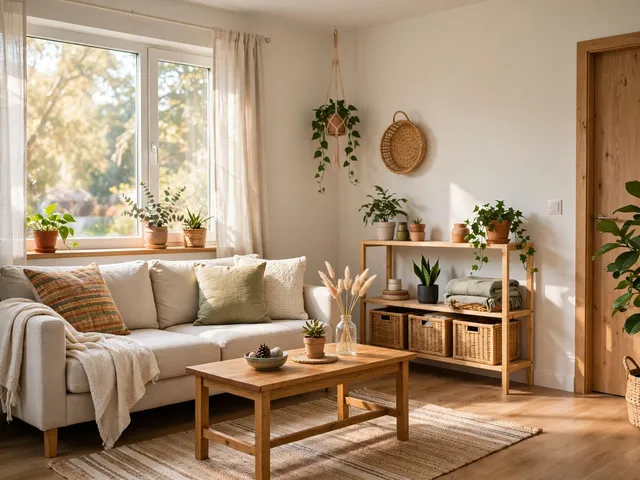
Bright living room refreshed on a budget with plants, cushions and tidy shelving
Small touches — plants, cushions, baskets and daylight — can transform a living room without any building work.

Most homes feel tired not because they are badly built, but because the paint has dulled, the lighting is harsh, cupboards are bursting, and a dozen tiny jobs have been put off. Those are exactly the problems money can solve cheaply. Work through the ideas below, spend where it shows, and stop when a room feels finished.

Start With a Plan, Not a Shopping Trip

Walk through your home with a notebook and note what actually bothers you in each room. Is the hallway dark? Are the kitchen counters covered? A clear list stops impulse buying and puts the cheapest fixes first. Set one total budget, divide it by room, and keep about ten per cent in reserve for surprises.

Do one room at a time and finish it completely. One finished room gives you proof the plan works — and a pleasant place to rest between jobs.

Paint: The Biggest Change for the Least Money

Nothing refreshes a space like paint, and nothing else covers so much area for so little cost. A fresh coat in a light, warm neutral makes small rooms feel larger and helps tired woodwork look new again. If you are nervous about colour, paint three large test patches and live with them for two days — paint always looks different in morning and evening light.

You do not have to paint everything. An accent wall, a front door in deep green, or kitchen cabinets in soft sage can change a home for the price of a single tin. Preparation matters more than the brand: wash walls, fill cracks, sand rough edges and tape the skirting. Cheap paint applied carefully beats expensive paint thrown over dust.

Painting an interior wall with a roller in soft sage green
One tin of paint and an afternoon is often enough to give a whole room a new mood.

Swap the Small Details Everyone Touches

Handles, knobs and switches are the parts of a home your hands meet every day, so worn ones make everything feel dated. Replacing cabinet handles in a kitchen, adding matching knobs to a chest of drawers, or fitting a new letterbox and house number by the front door takes minutes with a screwdriver. Choose one finish — brushed brass, matte black or simple chrome — and repeat it through the house so rooms feel connected.

The same logic applies to textiles. New cushion covers, a washable rug and a throw can change a sofa you cannot afford to replace.

Money-saving tip: Measure twice and keep every receipt until a job is finished. The most common way small budgets leak is buying the wrong size, the wrong fitting or one tin too many — and discovering it after the returns window has closed.

Fix the Lighting and the Room Feels New

Many rooms look dull because they rely on one harsh ceiling light. Layer it instead: a main light for working, a lamp for reading, and something soft for the evening. Warm-white LED bulbs cost little, use far less electricity, and remove that cold, blue glare.

Clean light fittings, wash lampshades, and move a floor lamp into the darkest corner before you buy anything new. In the kitchen, stick-on LED strips under wall cabinets light the worktop where you actually chop and wash up, and they plug in without an electrician.

A Kitchen and Bathroom Without the Renovation

Full kitchen and bathroom refits are the most expensive jobs in any house, so postpone them by fixing what the eye notices first. In the kitchen, paint or wrap cabinet doors, replace a tired tap if you are confident with basic plumbing, and clear the counters into baskets and jars so the space reads as calm rather than crowded. Peel-and-stick tiles or a washable splashback panel can cover a stained wall for a fraction of retiling.

In the bathroom, a grout pen, fresh sealant, a new shower head and matching towels will make the room feel cared for again. Descale everything, polish the mirror and taps, and replace a rusted toilet seat — a ten-minute job guests notice immediately.

Organised kitchen with open shelves, baskets, jars and warm under-cabinet lighting
Open shelves, labelled jars and warm under-cabinet lights make a small kitchen feel ordered and welcoming.

Declutter, Rearrange, Then Decorate

The cheapest improvement of all costs nothing: remove things. Work through one cupboard or shelf at a time, keep what you use, and give away, sell or recycle the rest. Rooms instantly look bigger when surfaces are clear and every object left has a reason to be there. Add simple storage — hooks behind doors, baskets on shelves, a narrow rack in a dead hallway corner — so tidiness is easy to keep.

Before buying furniture, rearrange what you own. Pull a sofa away from the wall, angle a chair toward the light, or swap rugs between rooms. Hang pictures at eye level in small groups, and add a plant or two — greenery softens hard corners and costs little if you start with cuttings from friends.

Do Not Forget the Entrance

First impressions are cheap to improve. Sweep the path, wash the front door, oil its hinges and add a new doormat and a pot of greenery. Inside, hooks, a shoe rack and a hallway mirror stop coats and bags colonising the house — and the mirror bounces light into the darkest space in the home.

Finish the Tiny Jobs

Finally, spend one afternoon on the list of small annoyances: the dripping tap washer, the squeaky door, the loose floorboard, the picture still leaning against the wall, the curtain pole that was never quite straight. None of these costs much, but together they are the difference between a house that feels neglected and one that feels looked after.

Home improvement on a budget is not about doing everything at once or copying a showroom. It is about choosing the changes you will see and feel every day — light, colour, order and comfort — and doing them properly, one room at a time. Start this weekend with the smallest job on your list. By Sunday evening, your home will already feel like a better place to live.

Friday, August 15, 2025

Rustic vs. Modern Farmhouse: Which Style Suits Your Home Renovation?


Rustic vs. Modern Farmhouse: Which Style Suits Your Home Renovation?

Choosing between a rustic and a modern farmhouse style for your home renovation can be a delightful yet challenging decision. Both styles offer unique aesthetics and appeal to different preferences. This comprehensive guide will delve into the nuances of each style, helping you determine which one best complements your vision and lifestyle.

Rustic Farmhouse: Embracing Warmth and Character

The rustic farmhouse style embodies a sense of warmth, history, and lived-in comfort. It's characterized by:

  • Exposed Beams: Often made of aged wood, these beams add a touch of rustic charm and architectural interest to the space. They create a sense of height and grandeur, making even smaller rooms feel spacious.
  • Distressed Wood: The use of reclaimed or naturally weathered wood is a hallmark of this style. Scratches, knots, and imperfections are embraced, contributing to the overall character and authenticity.
  • Natural Materials: Stone, brick, and other natural materials are frequently incorporated to create a connection with the outdoors and add textural depth.
  • Warm Color Palette: Earthy tones, muted browns, deep greens, and creams create a cozy and inviting atmosphere. These colors are often found in fabrics, furniture, and wall accents.
  • Antique and Vintage Accents: Incorporating vintage furniture, repurposed items, and antique decor adds to the story and soul of the space, fostering a sense of heritage.

Modern Farmhouse: Clean Lines and Minimalist Aesthetics

In contrast, the modern farmhouse style offers a streamlined and more contemporary take on the traditional farmhouse aesthetic. This style prioritizes:

  • Clean Lines and Simple Shapes: Furniture and decor are often characterized by sleek silhouettes and minimalist designs, providing a sense of order and sophistication.
  • Neutral Palette: White, gray, beige, and black are dominant colors, creating a clean and calming backdrop that allows other elements to stand out.
  • Shiplap Walls: Shiplap paneling adds a rustic touch while maintaining a clean and modern feel. It's often painted white or another light neutral color.
  • Functional Design: The focus is on functionality and efficiency, with storage solutions thoughtfully integrated into the design.
  • Statement Pieces: While minimalism is key, carefully chosen statement pieces, like a unique light fixture or a bold piece of art, can add personality and visual interest.

Comparing the Two Styles:

Here's a table summarizing the key differences between rustic and modern farmhouse styles:

FeatureRustic FarmhouseModern Farmhouse
Overall AestheticWarm, cozy, lived-inClean, minimalist, contemporary
WoodDistressed, reclaimed, exposed beamsClean lines, possibly painted white
Color PaletteEarthy tones, muted browns, deep greensWhite, gray, beige, black
DecorAntique and vintage accents, natural materialsMinimalist, functional, statement pieces
TextureRough, varied texturesSmooth, clean surfaces

Choosing the Right Style for Your Renovation:

The best style for your home renovation ultimately depends on your personal preferences and the existing characteristics of your home. Consider the following factors:

  • Your Personal Style: Do you prefer a cozy, rustic feel or a clean, modern aesthetic?
  • Your Home's Architecture: Certain architectural features might lend themselves better to one style over the other.
  • Your Budget: Reclaimed materials and antique finds can add to the cost of a rustic farmhouse renovation.
  • Your Lifestyle: Consider how much maintenance each style requires. A rustic farmhouse style with distressed wood might require more upkeep than a modern farmhouse with smooth surfaces.

Conclusion:

Both rustic and modern farmhouse styles offer unique charms and benefits. By carefully considering your preferences, your home's characteristics, and your budget, you can confidently choose the style that will transform your home into a space that reflects your personality and enhances your living experience. Remember, you can also blend elements of both styles to create a unique and personalized look that best suits your needs. Don't hesitate to consult with interior designers or contractors to gather expert opinions and ensure a successful renovation.

Hashtags:#rusticfarmhouse #modernfarmhouse #homerenovation #interiordesign #homedecor #farmhousestyle #homeimprovement #interiorstyling #remodeling Labels: rustic farmhouse,modern farmhouse,home renovation,interior design,home decor,farmhouse style,home improvement,interior styling,remodeling Labels:rustic farmhouse,modern farmhouse,home renovation,interior design,home decor,farmhouse style,home improvement,interior styling,remodeling

Maximizing Curb Appeal: Easy Ways to Upgrade Your Home’s Exterior

Maximizing Curb Appeal: Easy Ways to Upgrade Your Home's Exterior

Your home's exterior is the first impression visitors get, so making it inviting and attractive is key. Curb appeal isn't just about aesthetics; it can also increase your home's value. Let's explore simple yet effective ways to boost your home's exterior and create a welcoming space.

1. Paint Power: A Fresh Coat of Color
A fresh coat of paint can work wonders. Consider a vibrant color for your front door to make a statement, or opt for a neutral shade that complements your home's architecture. Don't forget the trim! Clean lines and crisp paint on window frames and molding add significant visual impact.

2. Landscaping Magic: The Power of Plants
Strategic landscaping transforms the look of your home. Well-maintained lawns and flowerbeds are essential. Consider adding potted plants near your entrance for a pop of color and texture. Choose plants that are low-maintenance and thrive in your climate. Think about adding a few shrubs or trees to add height and visual interest. Consider adding mulch to your flower beds to suppress weeds and retain moisture, improving the overall look.

3. Lighting Up Your Life: Exterior Illumination
Exterior lighting enhances safety and adds ambiance. Well-placed path lights guide visitors to your doorstep, while porch lights provide security and a warm welcome. Consider installing solar-powered lights for an eco-friendly option. Uplighting trees or architectural features can add a dramatic touch.

4. The Front Door Factor: Making a Grand Entrance
Your front door is the focal point of your home's exterior. A new, vibrant color can dramatically change its appeal. A fresh coat of paint, a new door knocker, or even a stylish house number can elevate its impact. Consider adding a welcome mat to add a personal touch.

5. Window Wonders: Cleaning and Framing
Clean windows are essential. Dirty windows can detract from your home's overall appeal. Regular cleaning is essential. Consider adding window boxes filled with colorful flowers to add visual interest. Clean window frames and repair any damaged areas to enhance the appearance.

6. Driveway and Walkway Appeal: Smooth Sailing
A clean and well-maintained driveway and walkway are essential. Repair cracks and seal any gaps to enhance their appearance. Pressure washing can remove dirt, grime, and stains. Consider adding decorative stones or pavers to enhance the walkway's overall design and appeal.

7. Decluttering for Curb Appeal: Removing Obstacles
Clear away any clutter or debris from your yard. Overgrown bushes and trees can make your home look unkempt. Regular trimming and pruning maintain a neat appearance. Remove any unnecessary items from your porch or front yard to create a more welcoming space. Keep your lawn and garden tools stored out of sight.

8. Mailbox Makeover: A Small Touch, Big Impact
Updating your mailbox can add a touch of personality to your home's exterior. Consider painting it a color that complements your home's exterior or adding a decorative house number. Ensure it's in good repair and functioning correctly.

9. House Numbers That Shine: Easy to Spot
Make sure your house numbers are visible and easy to read. Replace old, faded numbers with new ones that are easily visible from the street. Consider using reflective numbers for improved visibility at night.

10. Power Washing Perfection: A Deep Clean
Pressure washing can dramatically improve the appearance of your home's exterior. It removes dirt, grime, mildew, and other stains from siding, walkways, and driveways, making your home look newer and cleaner.

Beyond the Basics: Additional Enhancements
Once you've tackled these essential elements, consider more advanced upgrades like replacing old light fixtures, adding decorative accents such as shutters or architectural details, or installing a new roof. These larger projects require more investment but can significantly improve your home's overall appearance and value.

By following these easy steps, you can transform your home's exterior and boost your curb appeal, creating a beautiful and welcoming entrance for you and your guests. Remember, even small changes can make a big difference!

Hashtags:#curbappeal #homeexterior #landscaping #painting #homeimprovement #DIY #exteriordesign #homedecor #frontdoor #houseplants Labels: curb appeal,home exterior,landscaping,painting,home improvement,DIY,exterior design,home decor,front door,houseplants Labels:curb appeal,home exterior,landscaping,painting,home improvement,DIY,exterior design,home decor,front door,houseplants

Ads