Friday, May 30, 2025

Rest is the Best

Rest is the Best

Rest is the Best: Prioritizing Rest for a Healthier and Happier You

In today's fast-paced world, the concept of rest often takes a backseat. We're constantly bombarded with messages glorifying productivity and hustle culture. But what if I told you that prioritizing rest isn't a sign of laziness, but a crucial component of a healthy and fulfilling life? This isn't just about squeezing in a few extra hours of sleep; it's about a comprehensive approach to recovery that nurtures your physical and mental well-being.

Understanding the Importance of Rest

Our bodies aren't designed to run endlessly. Like any machine, they require regular maintenance and downtime to function optimally. During rest, our bodies engage in crucial restorative processes, including:

  • Physical Repair: Daily activities, even seemingly gentle ones, cause microscopic damage to our muscles and tissues. Rest allows these tissues to repair themselves, leading to muscle growth, stronger bones, and overall physical resilience.
  • Cellular Regeneration: At a cellular level, rest facilitates the repair and renewal of cells, contributing to healthier organs and systems.
  • Hormonal Balance: Sleep, particularly, plays a critical role in regulating hormones. Hormones related to appetite, stress, growth, and immune function are influenced by our sleep cycles. Insufficient rest disrupts this delicate balance, potentially leading to various health issues.
  • Immune System Strengthening: While we sleep, our immune system diligently works to fight off infections and bolster our defenses. Sleep deprivation weakens this crucial system, increasing our vulnerability to illnesses.
  • Cognitive Enhancement: During rest, our brains process and consolidate information acquired throughout the day, strengthening memory and enhancing cognitive functions like learning and problem-solving.
  • Emotional Regulation: Rest helps us manage stress and emotional responses. Sufficient rest allows us to approach challenges with clarity and emotional balance, while sleep deprivation can lead to increased irritability, anxiety, and depression.

The Many Forms of Rest: Beyond Sleep

Rest isn't solely about sleep, although that's a crucial element. A holistic approach encompasses different types of rest to address various needs:

  • Physical Rest: This involves minimizing physical exertion. It could involve lying down, gentle stretching, light walks in nature, or engaging in calming activities like yoga.
  • Mental Rest: This focuses on reducing mental stimulation. It means disconnecting from screens, avoiding mentally demanding tasks, and engaging in activities that promote mental clarity and relaxation, such as meditation, deep breathing, or spending time in quiet contemplation.
  • Emotional Rest: This addresses emotional burdens and promotes emotional well-being. It could involve journaling, talking to a supportive friend or therapist, practicing self-compassion, or engaging in activities that bring joy and emotional release.
  • Sensory Rest: Our senses are constantly bombarded with stimuli. Sensory rest involves minimizing this overload. This might involve spending time in a quiet, dimly lit space, listening to calming music, or engaging in activities that soothe the senses.
  • Creative Rest: This involves engaging in activities that allow for creative expression and exploration. It could include painting, writing, playing music, or pursuing any hobby that stimulates your creativity and brings you joy.
  • Social Rest: While social interaction is important, excessive socializing can be draining. Social rest involves limiting social engagements to avoid feeling overwhelmed and depleted.

The Detrimental Effects of Rest Deprivation

Chronic lack of rest has far-reaching consequences for both physical and mental health. Insufficient rest can significantly increase the risk of:

  • Weakened Immune System: Increased susceptibility to infections and illnesses.
  • Weight Gain: Hormonal imbalances can lead to increased appetite, cravings, and difficulty managing weight.
  • Mood Disorders: Increased risk of depression, anxiety, irritability, and other mood disturbances.
  • Cognitive Decline: Difficulty concentrating, remembering information, making decisions, and decreased overall cognitive performance.
  • Cardiovascular Issues: Increased risk of high blood pressure, heart disease, and stroke.
  • Reduced Productivity: Fatigue, decreased concentration, and impaired cognitive function lead to reduced work efficiency and performance.
  • Increased Risk of Accidents: Sleep deprivation impairs judgment, reaction time, and overall alertness, increasing the risk of accidents.
  • Chronic Pain: Insufficient rest can exacerbate existing pain conditions and increase the risk of developing new ones.

Practical Strategies for Prioritizing Rest

Incorporating more rest into your life requires a conscious effort and a shift in perspective. Here are some actionable strategies to help you prioritize rest:

  • Establish a Consistent Sleep Schedule: Go to bed and wake up at the same time each day, even on weekends, to regulate your body's natural sleep-wake cycle.
  • Create a Relaxing Bedtime Routine: Wind down before bed with calming activities like reading, taking a warm bath, listening to soothing music, or gentle stretching.
  • Optimize Your Sleep Environment: Ensure your bedroom is dark, quiet, and cool. Invest in a comfortable mattress and pillows.
  • Limit Screen Time Before Bed: The blue light emitted from electronic devices interferes with sleep.
  • Regular Physical Activity: Exercise improves sleep quality, but avoid intense workouts close to bedtime.
  • Stress Management Techniques: Practice relaxation techniques like meditation, deep breathing, yoga, or spending time in nature.
  • Mindful Eating: Maintain a balanced diet and avoid heavy meals or caffeine close to bedtime.
  • Schedule Dedicated Rest Time: Treat rest as a non-negotiable appointment in your daily schedule. Plan specific times for breaks, naps, or relaxation activities.
  • Learn to Say No: Don't overcommit yourself. Politely decline requests that would lead to exhaustion.
  • Listen to Your Body: Pay attention to your body's signals and rest when you feel tired.
  • Seek Professional Help: If you struggle with sleep or chronic fatigue, consult a doctor or sleep specialist.

Conclusion: Embrace the Restorative Power of Rest

Rest isn't a luxury; it's a fundamental necessity for a healthy and fulfilling life. By prioritizing rest, you're investing in your overall well-being – physically, mentally, and emotionally. It's not about being lazy; it's about being smart and proactive in caring for your body and mind. Embrace the power of rest and experience the transformative effects it has on your life. A well-rested you is a more productive, resilient, and joyful you.

Thursday, May 29, 2025

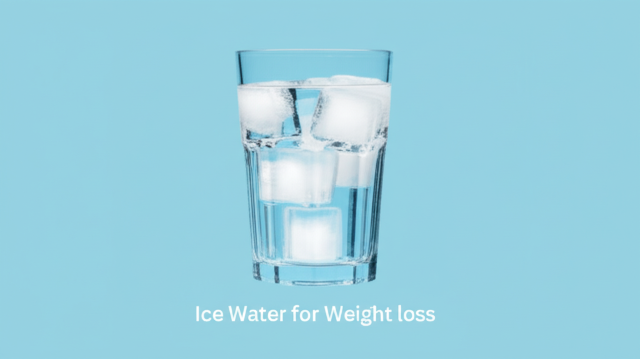
Ice Water for Weight Loss

Ice Water for Weight Loss

Ice Water for Weight Loss: Fact or Fiction?

The quest for effective weight loss methods is a journey many embark on. From fad diets to intense workout routines, the options seem endless. Lately, a simple, readily available solution has gained traction: ice water. But does drinking ice water really contribute to weight loss? Let's delve into the science and separate fact from fiction.

The Thermic Effect of Food (TEF) and Water

Our bodies expend energy to digest, absorb, and process food. This energy expenditure is known as the thermic effect of food (TEF). While the TEF for most foods is relatively low (around 10%), it's higher for protein than for carbohydrates or fats. Interestingly, the process of heating up cold water also requires energy. This means that your body has to burn calories to bring the temperature of ice water up to your body's temperature. This is where the connection to weight loss comes into play.

Studies have shown that drinking cold water can slightly increase your metabolism. This increase, although small, can add up over time. However, it's crucial to understand that the calorie expenditure from heating cold water is minimal, not a significant factor in substantial weight loss.

Beyond Calories: The Benefits of Hydration

While the direct calorie-burning effect of ice water is modest, the benefits of adequate hydration extend far beyond a slight metabolic boost. Water plays a vital role in many bodily functions, including:

  • Appetite regulation: Often, thirst is mistaken for hunger. Drinking water before meals can help you feel fuller, leading to reduced food intake.
  • Improved metabolism: Proper hydration supports the efficient functioning of metabolic processes, contributing to overall health and well-being.
  • Increased energy levels: Dehydration can lead to fatigue. Staying well-hydrated can improve energy levels and boost physical performance.
  • Improved digestion: Water is essential for proper digestion and nutrient absorption.
  • Weight management: Adequate hydration can support weight management efforts by reducing overeating and promoting overall health.

Drinking plenty of water, whether it's ice-cold or room temperature, is crucial for maintaining optimal health. It aids in digestion, improves energy levels, and can contribute to a feeling of fullness, which can be beneficial for weight management.

Ice Water vs. Room Temperature Water: Is There a Difference?

The question often arises: Does ice water offer a greater advantage for weight loss compared to room temperature water? While ice water does require your body to expend a tiny bit more energy to warm it up, the difference in calorie expenditure is negligible. The overall impact on weight loss is insignificant.

The key is to prioritize adequate hydration, not the temperature of your water. Aim to drink enough water throughout the day, regardless of whether it's cold, room temperature, or even lukewarm. Listen to your body's thirst cues and drink water consistently throughout the day.

Ice Water and Other Weight Loss Strategies

It's crucial to understand that ice water alone won't magically melt away excess weight. It's a small component of a larger, holistic approach to weight management. Effective weight loss requires a combination of factors, including:

  • Balanced Diet: Focus on a nutritious diet rich in fruits, vegetables, lean protein, and whole grains. Limit processed foods, sugary drinks, and unhealthy fats.
  • Regular Exercise: Incorporate regular physical activity into your routine. Aim for at least 150 minutes of moderate-intensity aerobic exercise per week, along with strength training exercises.
  • Sufficient Sleep: Aim for 7-9 hours of quality sleep each night. Lack of sleep can disrupt hormones that regulate appetite and metabolism.
  • Stress Management: Chronic stress can contribute to weight gain. Practice stress-reducing techniques like meditation, yoga, or spending time in nature.

Potential Drawbacks of Excessive Ice Water Consumption

While drinking plenty of water is beneficial, consuming excessive amounts of ice water, especially very quickly, can have some potential drawbacks:

  • Headaches: Rapid consumption of cold water can sometimes trigger headaches in some individuals.
  • Tooth Sensitivity: The extreme cold can aggravate tooth sensitivity for those with existing issues.
  • Digestive Issues: Drinking very cold water too quickly can sometimes cause temporary digestive discomfort.

Conclusion

In conclusion, while drinking ice water might offer a minuscule contribution to calorie expenditure due to the thermic effect, it's not a miracle weight loss solution. The primary benefit lies in maintaining adequate hydration, which supports various bodily functions and plays a role in appetite regulation and overall well-being. For successful weight loss, focus on a comprehensive strategy that includes a balanced diet, regular exercise, sufficient sleep, stress management, and of course, staying well-hydrated with plenty of water, regardless of its temperature.

Remember to consult with a healthcare professional or registered dietitian before making significant changes to your diet or exercise routine, especially if you have any underlying health conditions.

Numerology

Numerology Image

Unlocking the Secrets of Numerology

Numerology, at its core, is the belief that numbers hold a significant symbolic meaning and can reveal insights into our personalities, life paths, and potential futures. It's a fascinating system that connects numbers to various aspects of our lives, offering a framework for self-understanding and guidance. While not a scientifically proven method, many find it a valuable tool for introspection and personal growth.

The Foundation of Numerology

Different numerological systems exist, but most share common ground in their foundational principles. The most widely known system is Pythagorean numerology, which assigns specific meanings to each number from 1 to 9, as well as the Master Numbers 11 and 22. These numbers are considered archetypes, each carrying its own vibrational energy and representing particular traits and characteristics.

The core principle lies in reducing numbers to their single-digit root. For example, the number 25 is reduced by adding 2 + 5 = 7. The number 7 then holds the primary meaning for that particular number. This reduction process is applied to various numerical data, including birthdates, names, and significant life events, to derive meaningful interpretations.

Understanding the Core Numbers

Let's explore the general meanings associated with each core number in Pythagorean numerology:

  • 1: Represents independence, leadership, innovation, and new beginnings. Ones are often driven, ambitious, and self-reliant.
  • 2: Symbolizes diplomacy, cooperation, harmony, and partnerships. Twos are typically gentle, intuitive, and peace-loving.
  • 3: Represents creativity, self-expression, optimism, and communication. Threes are often sociable, expressive, and talented.
  • 4: Symbolizes practicality, stability, hard work, and structure. Fours are known for their dependability, organization, and dedication.
  • 5: Represents freedom, adventure, change, and versatility. Fives are often adaptable, curious, and love experiencing new things.
  • 6: Symbolizes love, harmony, responsibility, and nurturing. Sixes are typically caring, compassionate, and family-oriented.
  • 7: Represents spirituality, introspection, wisdom, and analysis. Sevens are often deep thinkers, insightful, and seekers of knowledge.
  • 8: Represents abundance, power, ambition, and material success. Eights are often driven, confident, and focused on achievement.
  • 9: Represents humanitarianism, compassion, wisdom, and completion. Nines are often selfless, empathetic, and focused on making a positive impact.

The Significance of Master Numbers

The Master Numbers, 11 and 22, hold particularly potent energies and are not reduced to their single-digit roots. They represent amplified versions of the core numbers they relate to:

  • 11: An amplified version of 2, representing intuition, idealism, inspiration, and spiritual awareness. Elevens are often highly sensitive, visionary, and possess strong psychic abilities.
  • 22: An amplified version of 4, representing master builder, practicality, and the ability to manifest large-scale visions. Twenty-twos are known for their extraordinary organizational skills, ambition, and ability to create profound impact.

Calculating Your Life Path Number

Your Life Path Number is considered one of the most important numbers in numerology. It's calculated using your birthdate. Let's illustrate with an example:

Suppose your birthday is October 26, 1985. The calculation is as follows:

  1. Add the digits of your month: 1 + 0 = 1
  2. Add the digits of your day: 2 + 6 = 8
  3. Add the digits of your year: 1 + 9 + 8 + 5 = 23 (further reduce: 2 + 3 = 5)
  4. Add the three results: 1 + 8 + 5 = 14 (further reduce: 1 + 4 = 5)

In this example, the Life Path Number is 5, suggesting a personality inclined towards freedom, adventure, and change.

Other Numerology Calculations

Beyond the Life Path Number, various other calculations can provide additional insights:

  • Soul Urge Number (or Heart's Desire Number): This reflects your inner desires and motivations, calculated from the vowels in your full name.
  • Personality Number: This reveals how you present yourself to the world, calculated from the consonants in your full name.
  • Expression Number: This combines your Soul Urge and Personality Numbers, offering a more holistic view of your personality.
  • Destiny Number: This represents your life's purpose and potential, often calculated similarly to the Life Path Number but using your full name.

Interpreting Your Numbers: More Than Just Labels

It's crucial to remember that numerology is not a predictive tool in the sense of fortune-telling. It doesn't provide definitive answers about the future. Instead, it offers insights into your inherent strengths, weaknesses, potential challenges, and opportunities for growth. The numbers act as a roadmap, highlighting potential pathways and patterns in your life.

The interpretations of the numbers are not rigid labels. They offer general tendencies and possibilities. Your personal experiences and choices will ultimately shape your life's trajectory. Numerology can serve as a valuable tool for self-reflection, but it shouldn't be used to make life-altering decisions without careful consideration of other factors.

The Importance of Intuition and Personal Resonance

While exploring numerology, trust your intuition. If a particular interpretation resonates with you deeply, explore it further. If something doesn't feel quite right, don't force it. Numerology should be a journey of self-discovery, not a rigid set of rules. The most valuable insights come from the connection you make with the numbers and how they relate to your own unique experiences.

Numerology and Personal Growth

Many people use numerology as a tool for personal growth and self-improvement. By understanding their strengths and weaknesses, they can focus on areas needing development and make conscious choices to align their actions with their inherent potential. The insights gained can enhance self-awareness, foster better decision-making, and promote a more fulfilling life.

Criticisms and Cautions

It's important to acknowledge that numerology lacks scientific validation. Its interpretations are based on belief systems and symbolic associations rather than empirical evidence. Skepticism is a healthy approach, and it's vital to approach numerology with an open yet critical mind. Avoid placing undue reliance on numerological predictions or allowing them to dictate your actions.

Furthermore, the abundance of different numerological systems and interpretations can be confusing. Choose a system and approach that resonates with you and be mindful of potential biases or subjective interpretations. The focus should always remain on self-reflection and personal growth, not on seeking definitive answers or external validation.

Conclusion

Numerology, while not a science, offers a fascinating framework for exploring the symbolic power of numbers and their potential connection to our lives. By understanding the core principles and utilizing the various calculations, individuals can gain valuable insights into their personality, strengths, challenges, and life's potential paths. It's a tool for self-discovery, not a crystal ball predicting the future. Used with discernment and a healthy dose of critical thinking, numerology can be a valuable addition to your journey of self-understanding and personal growth.