Easy Home Improvement Ideas on a Budget
You do not need a full renovation — or a contractor's budget — to love your home again. A few focused, low-cost changes can make rooms feel brighter, calmer and more useful, often in a single weekend.
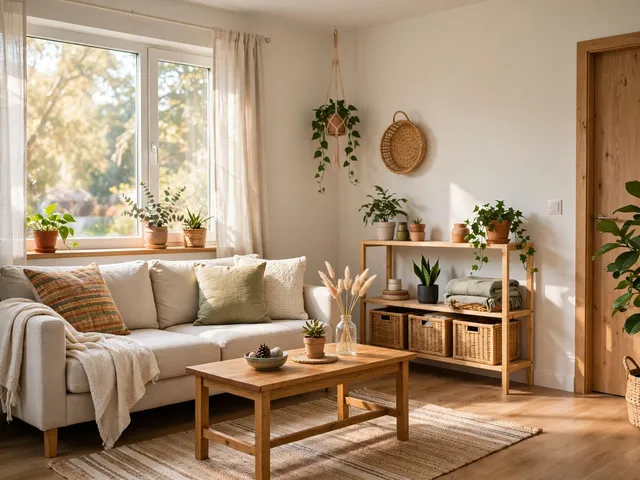
Most homes feel tired not because they are badly built, but because the paint has dulled, the lighting is harsh, cupboards are bursting, and a dozen tiny jobs have been put off. Those are exactly the problems money can solve cheaply. Work through the ideas below, spend where it shows, and stop when a room feels finished.
Start With a Plan, Not a Shopping Trip
Walk through your home with a notebook and note what actually bothers you in each room. Is the hallway dark? Are the kitchen counters covered? A clear list stops impulse buying and puts the cheapest fixes first. Set one total budget, divide it by room, and keep about ten per cent in reserve for surprises.
Do one room at a time and finish it completely. One finished room gives you proof the plan works — and a pleasant place to rest between jobs.
Paint: The Biggest Change for the Least Money
Nothing refreshes a space like paint, and nothing else covers so much area for so little cost. A fresh coat in a light, warm neutral makes small rooms feel larger and helps tired woodwork look new again. If you are nervous about colour, paint three large test patches and live with them for two days — paint always looks different in morning and evening light.
You do not have to paint everything. An accent wall, a front door in deep green, or kitchen cabinets in soft sage can change a home for the price of a single tin. Preparation matters more than the brand: wash walls, fill cracks, sand rough edges and tape the skirting. Cheap paint applied carefully beats expensive paint thrown over dust.

Swap the Small Details Everyone Touches
Handles, knobs and switches are the parts of a home your hands meet every day, so worn ones make everything feel dated. Replacing cabinet handles in a kitchen, adding matching knobs to a chest of drawers, or fitting a new letterbox and house number by the front door takes minutes with a screwdriver. Choose one finish — brushed brass, matte black or simple chrome — and repeat it through the house so rooms feel connected.
The same logic applies to textiles. New cushion covers, a washable rug and a throw can change a sofa you cannot afford to replace.
Money-saving tip: Measure twice and keep every receipt until a job is finished. The most common way small budgets leak is buying the wrong size, the wrong fitting or one tin too many — and discovering it after the returns window has closed.
Fix the Lighting and the Room Feels New
Many rooms look dull because they rely on one harsh ceiling light. Layer it instead: a main light for working, a lamp for reading, and something soft for the evening. Warm-white LED bulbs cost little, use far less electricity, and remove that cold, blue glare.
Clean light fittings, wash lampshades, and move a floor lamp into the darkest corner before you buy anything new. In the kitchen, stick-on LED strips under wall cabinets light the worktop where you actually chop and wash up, and they plug in without an electrician.
A Kitchen and Bathroom Without the Renovation
Full kitchen and bathroom refits are the most expensive jobs in any house, so postpone them by fixing what the eye notices first. In the kitchen, paint or wrap cabinet doors, replace a tired tap if you are confident with basic plumbing, and clear the counters into baskets and jars so the space reads as calm rather than crowded. Peel-and-stick tiles or a washable splashback panel can cover a stained wall for a fraction of retiling.
In the bathroom, a grout pen, fresh sealant, a new shower head and matching towels will make the room feel cared for again. Descale everything, polish the mirror and taps, and replace a rusted toilet seat — a ten-minute job guests notice immediately.

Declutter, Rearrange, Then Decorate
The cheapest improvement of all costs nothing: remove things. Work through one cupboard or shelf at a time, keep what you use, and give away, sell or recycle the rest. Rooms instantly look bigger when surfaces are clear and every object left has a reason to be there. Add simple storage — hooks behind doors, baskets on shelves, a narrow rack in a dead hallway corner — so tidiness is easy to keep.
Before buying furniture, rearrange what you own. Pull a sofa away from the wall, angle a chair toward the light, or swap rugs between rooms. Hang pictures at eye level in small groups, and add a plant or two — greenery softens hard corners and costs little if you start with cuttings from friends.
Do Not Forget the Entrance
First impressions are cheap to improve. Sweep the path, wash the front door, oil its hinges and add a new doormat and a pot of greenery. Inside, hooks, a shoe rack and a hallway mirror stop coats and bags colonising the house — and the mirror bounces light into the darkest space in the home.
Finish the Tiny Jobs
Finally, spend one afternoon on the list of small annoyances: the dripping tap washer, the squeaky door, the loose floorboard, the picture still leaning against the wall, the curtain pole that was never quite straight. None of these costs much, but together they are the difference between a house that feels neglected and one that feels looked after.
Home improvement on a budget is not about doing everything at once or copying a showroom. It is about choosing the changes you will see and feel every day — light, colour, order and comfort — and doing them properly, one room at a time. Start this weekend with the smallest job on your list. By Sunday evening, your home will already feel like a better place to live.
