Minimalism: How Living With Less Can Improve Your Life
A calmer home, a clearer mind, and more room for what actually matters — that is the quiet promise of owning less.
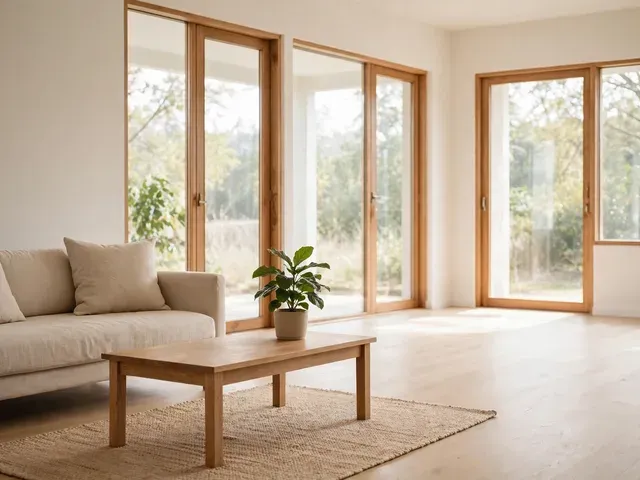
Open any cupboard in your home and be honest: how much of what is in there have you not touched in a year? For most of us, the answer is uncomfortable. We keep buying, storing and tidying things we barely use, and then wonder why we feel tired in our own homes.
That is exactly why so many people are turning to minimalism. At its heart, living with less is not about empty rooms or strict rules. It is about removing what does not serve you, so you have more time, money and energy for what does.
What Minimalism Really Means
Minimalism is often misunderstood as living with almost nothing. In reality, it simply means being intentional. You keep the things that add value to your life, and you let go of the rest.
There is no magic number of possessions, and no two minimalists live the same way. A family of five and a single student can both live minimally — what matters is that everything they own has earned its place.
Think of it as editing, not depriving. You are not losing things; you are choosing what deserves your space and attention.
How Living With Less Can Improve Your Life
The benefits show up faster than most people expect. Within a few weeks of clearing clutter, daily life starts to feel noticeably lighter.
- Less stress at home. A tidy, open space is easier on the mind. When surfaces are clear and everything has a home, your brain stops processing visual noise all day.
- More money in your pocket. Once you stop buying things on impulse, the savings add up quickly — money you can put towards travel, learning, or simply peace of mind.
- More time for yourself. Fewer possessions mean less cleaning, less organising and less time spent looking for things. Many people win back hours every week.
- Clearer decisions. From choosing what to wear to deciding how to spend an evening, fewer options means less decision fatigue and more confidence.
- A lighter footprint. Buying less and wasting less is kinder to the planet, and it feels good to know your home is not built on excess.

7 Simple Steps to Start Living With Less
You do not need a free weekend or a hired skip to begin. Small, steady steps work far better than one dramatic clear-out.
- Start with one drawer. Pick the smallest, most annoying drawer in your home. Empty it completely, keep only what you use, and let the rest go today.
- Use the one-year rule. If you have not used something in the last twelve months, you almost certainly do not need it. Be honest, and be kind to your future self.
- Try one in, one out. Every time something new comes into your home, something similar leaves. This one habit stops clutter from quietly creeping back.
- Clear your wardrobe next. Keep the clothes that fit, feel good and get worn often. Donate the rest, and enjoy how easy mornings become.
- Create a donation box. Keep a box by the door for things you decide to release. When it is full, drop it off — no second-guessing at the door.
- Pause before you buy. Wait 48 hours before any non-essential purchase. Most of the time, the urge passes and your money stays where it belongs.
- Declutter your phone too. Delete unused apps, clear old photos and unsubscribe from emails you never read. Digital clutter weighs on the mind just as physical clutter does.
Minimalism Is About More Than Your Home
Once your space feels calmer, the idea tends to spread. People find themselves simplifying their schedules, saying no to commitments that drain them, and protecting quiet time in their week.
It can change how you work, too. A clear desk, a shorter to-do list and fewer distractions make it easier to focus on one thing at a time — and to actually finish it.

Most importantly, living with less shifts what you value. Instead of chasing the next purchase, you start investing in experiences, relationships and rest — the things people actually remember at the end of a year.
Two Mistakes to Avoid When You Begin
The first mistake is trying to do everything at once. A whole-house clear-out in a single weekend usually ends in exhaustion and half-finished rooms, so work slowly, one small area at a time, and celebrate each finished space.
The second is comparing your home to perfect photos online. Minimalism is not a look to copy; it is a way of living that should fit your family, your habits and your budget. Your version only needs to work for you.
Quick Recap
- Minimalism means keeping what adds value and letting go of the rest — there is no perfect number.
- Living with less reduces stress, saves money, and gives you back hours every week.
- Start tiny: one drawer, the one-year rule, and one in, one out.
- The calm spreads beyond your home into your schedule, your work and your phone.
- The goal is not less for its own sake — it is more of what matters.
You do not have to transform your whole home this weekend. Clear one drawer, donate one bag, and notice how it feels to walk past that space tomorrow morning. Small steps, repeated gently, are how a simpler life is built.
What is the one area of your home you would love to simplify first — your wardrobe, your kitchen, or somewhere else entirely? Tell us in the comments; your starting point might be exactly the encouragement someone else needs today.
And if this post gave you a little nudge towards a calmer home, please share it with a friend or family member who is always saying they have too much stuff. It might be just what they need to begin.
