The Benefits of Spending More Time in Nature
When was the last time you stood under tall trees, listened to birdsong, or simply watched clouds drift across the sky without checking your phone? For many of us, days pass indoors — at desks, in cars, and in front of screens. Yet stepping outside, even for a short while, can change how we feel, think, and live.
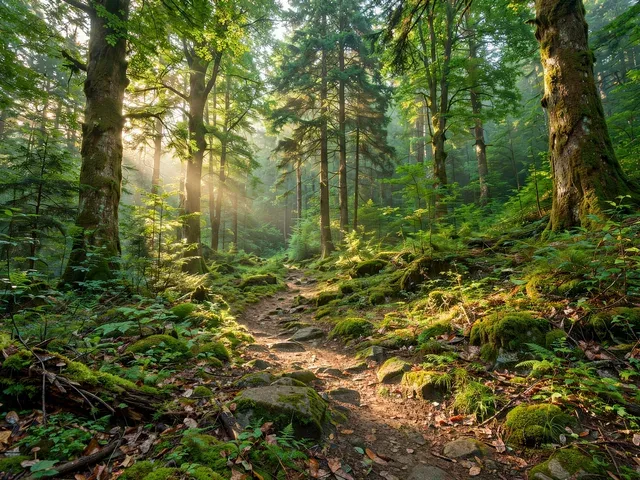
Spending time in nature is not just pleasant. It is one of the simplest and most natural ways to support your health and happiness. You do not need to travel far or climb a mountain. A local park, a garden, a riverside path, or even a tree-lined street can offer real benefits. Here is why making time outdoors deserves a regular place in your routine.
1. Nature Calms the Mind and Reduces Stress
Modern life keeps our minds constantly busy. Messages, deadlines, traffic, and noise leave little room to relax. Nature works differently. The sounds of wind in the leaves, flowing water, and birds calling are gentle on the senses. They do not demand attention — they invite it.
Research consistently shows that time in green spaces lowers stress and helps people feel calmer. A walk in a park after a difficult day can ease tension in the body, slow a racing heart, and clear mental clutter. Even twenty minutes outdoors can make a noticeable difference. Unlike many forms of entertainment, nature asks nothing from you. You simply arrive, look around, and let the quiet do its work.
If you feel overwhelmed, try this: leave your headphones behind, walk slowly, and notice five things you can see, four you can hear, and three you can feel, such as the breeze or the ground under your feet. This small practice grounds you in the present moment.
2. It Lifts Your Mood and Energy
Sunlight, fresh air, and open space have a powerful effect on mood. Natural light helps regulate your body clock, which supports better sleep at night and steadier energy during the day. Moving outdoors — walking, cycling, gardening, or playing with your children — also releases feel-good chemicals in the brain.
Many people notice that problems feel smaller after time outside. A short break in a garden during lunch can refresh you more than another cup of coffee. On grey, busy days, nature reminds us that life is larger than our inbox. That perspective matters. It builds resilience, patience, and a quiet sense of hope.

3. Your Body Gets Stronger, Gently
You do not need intense exercise to benefit from being outdoors. Walking is one of the best forms of movement, and walking in nature feels easier and more enjoyable than walking on a treadmill. Uneven paths engage your balance and muscles in natural ways. Hills strengthen your legs and heart. Fresh air encourages deeper breathing.
Regular outdoor time also supports:
- Heart health — gentle, regular walking helps circulation and blood pressure.
- Better sleep — daylight and physical activity help you fall asleep more easily.
- Stronger immunity — active, rested bodies cope better with everyday illness.
- Healthier weight — enjoyable movement is movement you will repeat.
The key is consistency, not intensity. A daily thirty-minute walk will do far more for you over a year than one exhausting hike every few months.
4. Nature Sharpens Focus and Creativity
Have you ever noticed that your best ideas arrive in the shower, on a walk, or while staring out of a window? There is a reason for that. Constant screen focus tires the brain. Nature offers what psychologists call soft fascination — clouds moving, leaves rustling, water flowing. These hold our attention lightly, allowing the focused part of the mind to rest and recover.
Students who take breaks in green spaces often return to work with better concentration. Writers, artists, and problem-solvers have long used walks to unlock ideas. If you feel stuck on a task, do not push harder at your desk. Step outside for ten minutes. Walk around the block or sit under a tree. You will often return with a clearer head and a fresh angle on the problem.
The outdoors does not rush you — and in that unhurried space, your mind finally has room to think.
5. It Connects Us to Others — and to Ourselves
Nature is a wonderful place to be together. Picnics, evening walks, weekend hikes, and gardening with family create shared memories without screens competing for attention. Conversations flow more easily when walking side by side. Children, too, thrive outdoors: they run, explore, ask questions, and build confidence through play.
Time in nature also reconnects us with ourselves. Away from notifications and noise, we can hear our own thoughts. Many people use outdoor time to reflect, pray, journal, or simply sit in silence. These quiet moments help us understand what we need and what truly matters to us.

Simple Ways to Spend More Time Outside
You do not need to overhaul your life to enjoy these benefits. Start small and make it easy:
- Take your morning tea or coffee outside, even for five minutes.
- Walk for part of your journey instead of driving the whole way.
- Eat lunch in a park or garden once or twice a week.
- Start a small garden or care for a few plants on a balcony.
- Plan one outdoor family activity every weekend.
- Watch a sunrise or sunset without your phone in hand.
Choose what fits your life and repeat it. Habits grow from small, enjoyable steps — not from pressure.
A Final Thought
Nature is not a luxury or an escape from real life. It is part of real life — the part that restores us. Every walk under the trees, every breath of fresh air, and every quiet moment by the water is an investment in your health, your mood, and your peace of mind.
So today, step outside. Feel the sun, listen to the birds, and let the natural world remind you to slow down. Your body and mind will thank you for it — today, and for years to come.

No comments:
Post a Comment