10 Practical Ways to Make Your Home More Eco-Friendly
Making your home greener does not require a big renovation or a big budget. Most of the changes that matter are small, inexpensive, and easy to start this week — and many of them lower your electricity and water bills at the same time. Here are ten practical ways to make your home more eco-friendly, starting with the simplest.
1. Switch to LED Lighting
Lighting is one of the easiest wins. LED bulbs use up to 80 percent less energy than old incandescent bulbs and can last for years, which means fewer replacements and less waste. Start with the rooms you use most — the living room, kitchen, and bedrooms — and replace bulbs as the old ones burn out. Choose warm-white LEDs for living spaces so the light still feels cosy, and remember to switch lights off when you leave a room. It sounds obvious, but it is still one of the biggest energy savers in most homes.
2. Stop Energy Leaks Around Doors and Windows
A surprising amount of heating and cooling escapes through small gaps around doors, windows, and pipes. Walk around your home on a windy day and feel for drafts. Sealing strips, door sweeps, and a tube of caulk cost very little and can make rooms noticeably more comfortable. Better sealing means your heater and air conditioner work less, which cuts both your bills and your carbon footprint through every season of the year.
3. Use a Programmable or Smart Thermostat
Heating and cooling usually account for the largest share of a home's energy use. A programmable thermostat lets you lower the temperature while you are asleep or out of the house, and warm things up just before you return. Even a simple habit helps: turn the thermostat down a degree or two in winter and wear a sweater, and set it slightly higher in summer with a fan running. Ceiling fans use a fraction of the energy of air conditioning and make a room feel several degrees cooler.

4. Save Water Without Noticing
Water saving is good for the planet and for your utility bill. Fix dripping taps promptly — a single slow drip can waste thousands of litres a year. Fit low-flow showerheads and tap aerators, which mix air into the water so the pressure still feels strong while using far less. Take shorter showers, run the washing machine and dishwasher only with full loads, and if you have a garden, collect rainwater in a barrel for watering plants instead of using the hose.
5. Unplug the Energy Vampires
Many devices keep drawing power even when they are switched off — televisions, chargers, game consoles, and microwaves with clocks are common culprits. This "standby" consumption can add up to a noticeable slice of your electricity bill. Plug entertainment and office equipment into a power strip and switch the strip off at night, unplug chargers when they are not in use, and enable the energy-saving settings on your computer and TV.
6. Choose Efficient Appliances When Replacing Old Ones
When an appliance finally wears out, its replacement will stay with you for a decade or more, so efficiency matters. Look for the highest energy rating you can afford on refrigerators, washing machines, and air conditioners. Front-loading washing machines generally use less water and energy than top loaders, and an induction cooktop heats food faster and more efficiently than a traditional electric hob. Buying well once is greener than buying cheaply twice.
7. Reduce, Reuse, and Recycle — in That Order
Recycling is helpful, but reducing what comes into your home in the first place is even better. Refuse single-use plastics where you can, carry reusable bags and bottles, and buy in larger packs to cut packaging. Before throwing something away, ask whether it can be repaired, reused, or donated. Set up a simple sorting station for paper, glass, metal, and plastic so recycling is effortless, and compost fruit and vegetable scraps if you have space — compost keeps food waste out of landfill and feeds your garden for free.

8. Switch to Gentler Cleaning Products
Many conventional cleaning products contain chemicals that wash into waterways. Simple alternatives work surprisingly well: vinegar for glass and limescale, baking soda for scrubbing, and lemon for freshness. If you prefer ready-made products, choose refillable or biodegradable options. You will also save money and cupboard space, and the air inside your home will be cleaner — an easy win for families with children or pets.
9. Bring Nature Indoors
Houseplants do more than look nice. They help freshen indoor air, add humidity, and make rooms feel calmer. Hardy varieties such as pothos, snake plants, and spider plants thrive with very little care. If you have a sunny windowsill or balcony, grow a few herbs like mint, basil, or coriander — you will cut packaging waste, save trips to the shop, and always have fresh flavour on hand for cooking.
10. Think About Where Your Energy Comes From
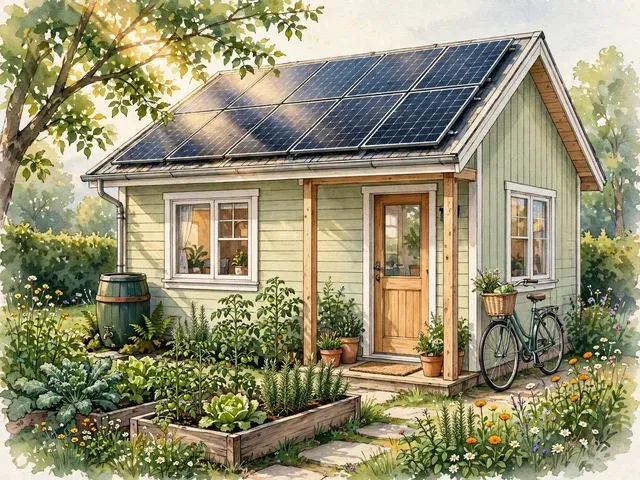
Finally, look at the bigger picture. If your electricity provider offers a green tariff, switching takes minutes and supports renewable energy. If you own your roof and plan to stay in your home for years, solar panels are worth investigating — costs have fallen sharply, and many households find they pay for themselves through lower bills. Even without panels, using heavy appliances during sunny daytime hours, when grids carry more renewable power, is a small but real contribution.
Start Where You Stand
An eco-friendly home is not built in a day; it is the result of dozens of small decisions that add up. Start with the light bulbs and the dripping tap, then work through the list at your own pace. Your home will cost less to run, feel more comfortable to live in, and tread more lightly on the planet — and that is a change worth making, one practical step at a time.

No comments:
Post a Comment