Why Cybersecurity Matters in Our Connected World
From the phone in your pocket to the lights in your home, almost everything you rely on is now connected. That convenience is wonderful — but it also means cybersecurity is no longer just an IT problem. It is an everyday life skill.
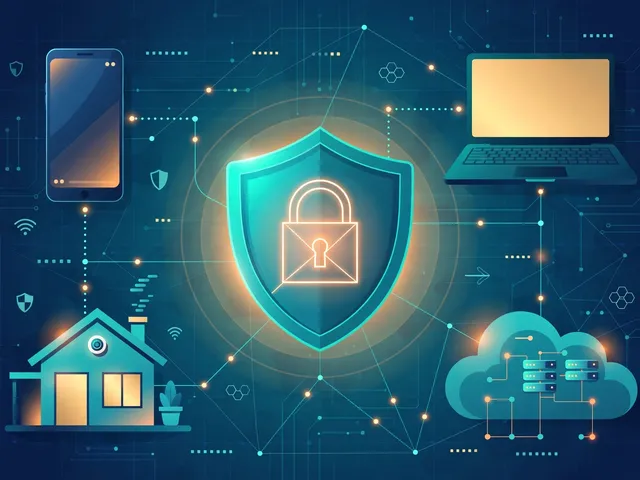
Our Lives Have Moved Online
Think about an ordinary morning. Your alarm is on your phone. You check messages, read the news, pay for coffee with a tap, book a cab, join a work call, and order groceries — all before lunch. At home, your television, doorbell, thermostat and even your fridge may be online. At work, files live in the cloud, meetings happen on video, and payments move in seconds.
This connected life saves time and opens up opportunities. But every connection is also a doorway — if it is not protected, someone else may try to walk through it.
That is why cybersecurity matters. It is the set of habits, tools and decisions that keeps our information, money and privacy safe while we enjoy the benefits of being online.
What Cybersecurity Actually Means
Cybersecurity sounds technical, but the idea is simple: protecting systems, networks and data from attacks, damage and unauthorised access. Just as you lock your front door, put a seatbelt on in a car, and keep your bank PIN private, you take basic steps online to stay safe.
Strong passwords and two-factor authentication protect your accounts. Updated software closes holes attackers exploit. Encryption scrambles your information so it cannot be read if intercepted. And awareness — knowing what a scam looks like — protects you where no software can.
No single tool makes you completely safe. Real security comes from layers working together, and from people making careful choices every day.

The Threats Are Closer Than You Think
Many people imagine hackers only target big companies or governments. In reality, ordinary people are attacked every day, often by automated systems that do not care who you are — they simply look for anyone with a weak password, an old phone, or a moment of inattention.
Phishing is the most common trick. You receive an email or message that looks like it is from your bank, a delivery company or even a colleague, asking you to click a link and log in. The page is fake, and entering your details hands them straight to a criminal. Malware can arrive through a dodgy download or attachment and quietly steal information or lock your files for ransom. Weak and reused passwords are another major risk: if one site is breached and you use the same password everywhere, attackers can unlock your email, shopping and banking accounts in minutes.
Public Wi-Fi and fake shopping websites add to the risk. These threats are ordinary, predictable, and largely preventable.
Why One Weak Link Affects Everyone
In a connected world, security is shared. If your email account is taken over, attackers can use it to scam your friends and family, who trust messages from you. If a small business is breached, its customers' details may be exposed. If thousands of insecure home cameras and routers are hijacked, they can be combined into a botnet powerful enough to knock major websites offline.
Hospitals, schools and transport systems also depend on digital systems. An attack can delay treatment or disrupt services people depend on. Protecting your own devices is therefore also an act of care for everyone connected to you.
The Real Cost of Getting It Wrong
The cost of a breach is rarely just money, though the financial loss can be serious — emptied accounts, fraudulent purchases, and the expense of putting things right. There is also the time and stress of recovering accounts, proving your identity, and worrying about what else may have been taken.
For businesses, the damage can include lost customers and a reputation that takes years to rebuild. For individuals, stolen identity documents can lead to theft that follows you for a long time. Prevention is almost always easier than recovery.
Simple Habits That Make a Big Difference
The good news is that the most effective protections are also the simplest. Start with these:
- Use long, unique passwords for every important account, and let a password manager remember them for you.
- Turn on two-factor authentication wherever it is offered, especially for email, banking and social media.
- Keep everything updated — your phone, computer, apps and router. Updates often fix security holes.
- Pause before you click. Check the sender, look at the web address, and be suspicious of urgent messages asking for money or passwords.
- Back up important files so that even if something goes wrong, you do not lose what matters.
- Be careful on public Wi-Fi and avoid banking or shopping on networks you do not trust.
None of these steps takes long, and together they stop the vast majority of everyday attacks.

Cybersecurity at Work and at Home
At work, lock your screen, use approved tools, report suspicious messages, and never share login details. Many major breaches began with one person clicking one convincing message.
At home, help the people around you. Set up updates and two-factor authentication for parents and grandparents. Teach children that not everything online is true or safe to share, and that a strong password is like a toothbrush — personal, and never shared. Secure your home router with a new password, and remove apps and accounts you no longer use.
Looking Ahead
Technology will keep connecting more of our lives — smarter homes, digital health, online banking and AI tools. That future can be a good one, but only if trust keeps pace with convenience.
Cybersecurity matters because our connected world runs on trust: trust that a message really came from a friend, that a payment went to the right place, that private information stays private. Every strong password, every update installed, and every scam spotted helps keep that trust alive. Stay curious, stay careful, and treat your digital safety with the same common sense you use in the physical world — because today, they are the same world.
