What Makes Some Cities Better Places to Live?
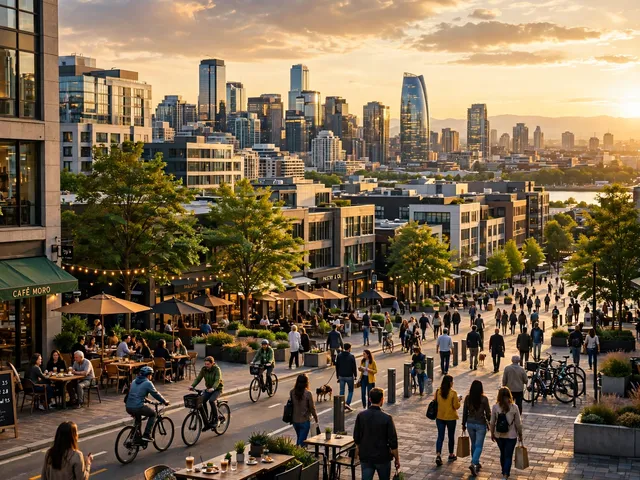
Have you ever visited a city and thought, within just a few hours, “I could actually live here”? And then visited another that looked impressive in photos, yet left you feeling tired, stressed and eager to leave? That difference is no accident, and understanding what makes some cities better places to live can completely change how you choose your next home, plan a move, or even judge the city you live in right now.
It is rarely about the tallest buildings or the biggest shopping centres. The cities people love most get the everyday things right — the commute, the park around the corner, the feeling of safety after dark, and the sense that life there is simply easier.
What Makes Some Cities Better Places to Live?
Researchers who rank the world’s most liveable cities look at the same basic ingredients again and again. Healthcare, education, safety, transport, green space, jobs and culture all matter. But for ordinary residents, liveability is more personal: can you afford to live well, get where you need to go, breathe clean air, and still have time and energy left for family and friends?
When a city balances those needs, people stay longer, invest in their neighbourhoods and build stronger communities. When it does not, even a well-paid job can start to feel like a daily struggle.
1. You Can Get Around Without the Stress
In a great city, distance does not rule your life. Reliable buses, trains or trams, safe cycling routes and walkable streets mean a trip to work, school or the market does not eat up half your day. Shorter, calmer commutes give people back hours every week.
Walkability matters just as much. When shops, schools, clinics and parks are within a 15- or 20-minute walk, daily life becomes simpler and healthier. You move more, spend less on fuel, and bump into neighbours — small moments that quietly build a sense of belonging.
2. Green Spaces Are Part of Everyday Life

The best cities treat parks, trees and clean public spaces as essential, not decorative. A shaded park gives children a place to play, older people a place to sit and meet, and everyone a break from noise and concrete. Studies consistently link access to green space with lower stress and better mental health.
Clean air and clean streets have the same effect. Cities that manage waste well, control pollution and maintain their public spaces send a clear message: this place is cared for, and so are the people who live here.
3. Work, Housing and Cost Feel in Balance
A city cannot be truly liveable if only a few people can afford to enjoy it. Good cities offer a mix of jobs across different industries, so one company closing does not shake the whole local economy. They also offer housing at different price levels, close to where people work and study.
When rent or home prices swallow most of a salary, everything else suffers — savings, health, family time and peace of mind. The most loved cities are not always the cheapest, but residents feel they get real value for what they pay: good services, good infrastructure and a good quality of life.
4. People Feel Safe — Day and Night
Safety is the foundation everything else rests on. Well-lit streets, active public spaces, responsive emergency services and neighbourhoods where people look out for one another all help residents feel free to actually use their city. A park, market or bus stop only improves life if people feel comfortable going there.
Safety also includes good healthcare and dependable basics: clean drinking water, stable electricity, decent roads and internet that works. When these systems are reliable, people stop worrying about them and can focus on living.
5. There Is a Real Sense of Community and Culture

Finally, great cities give people reasons to gather. Local markets, libraries, festivals, sports grounds, cafes and places of worship create the social glue that turns strangers into neighbours. Diverse food, music, art and traditions make a city interesting — and make newcomers feel there is a place for them too.
This is why two cities with similar incomes can feel so different. One feels cold and anonymous; the other feels warm and human. Culture and community are not extras. They are a big part of why people choose to stay.
How to Judge a City Before You Move
Thinking of relocating, or simply curious about your own city? Use this simple checklist on your next visit:
- Walk it, don’t just drive it: Spend a morning walking a normal residential area, not only the tourist centre.
- Test the commute: Travel from a likely home to work or school at rush hour and time it honestly.
- Check the basics: Visit a local market, a park, a clinic and a supermarket. Note prices, cleanliness and how people behave.
- Visit after dark: See how safe, lit and active the streets feel in the evening.
- Talk to residents: Ask two or three locals what they love and what frustrates them. Their answers reveal more than any ranking.
- Do the maths: Compare rent, transport, food and healthcare costs against a realistic local salary.
Quick Recap
- The best cities make everyday life easier, not just more impressive.
- Easy transport and walkable neighbourhoods save time, money and stress.
- Parks, clean air and well-kept public spaces support health and happiness.
- Balanced jobs, housing and living costs let more people thrive.
- Safety, reliable services and a strong community make people want to stay.
A truly great city is not measured only by its skyline. It is measured by an ordinary Tuesday — how you get to work, where your children play, how you feel walking home, and whether life there leaves you with time to enjoy it.
What is the one thing that makes your city a great place to live — or the one thing you wish you could change about it? Tell us in the comments; your experience might help someone who is deciding where to move next. And if you know a friend or family member thinking about relocating, please share this post with them — it might make their decision a little easier.
