Why Gardening Is Becoming a Popular Hobby
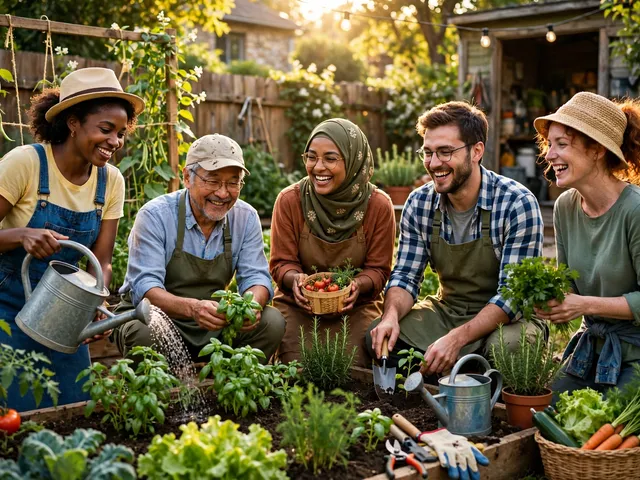
When was the last time you put your phone down, stepped outside, and felt truly calm? For millions of people, the answer now involves a watering can, a packet of seeds, and a small patch of soil. That simple shift is a big reason why gardening is becoming a popular hobby in homes of every size.
You do not need a large yard or years of experience to enjoy it. A few pots on a balcony, herbs on a windowsill, or one raised bed in the corner of your garden is enough to begin — and enough to change how your days feel.
Why Gardening Is Becoming a Popular Hobby for So Many People
Gardening fits the way many of us want to live now: slower, healthier, and a little more self-reliant. It gives you fresh air, gentle movement, and something real to show for your time at the end of the week.
It is also wonderfully flexible. You can spend ten quiet minutes watering in the morning or a whole Sunday afternoon planting, and both count. There is no score, no deadline, and no pressure to be perfect.
Best of all, gardening rewards patience in a visible way. A tiny seed becomes a sprout, then a plant, then food for your table or flowers for your home — and watching that happen never really gets old.
It Helps You Slow Down and Feel Better
Modern life is full of screens, noise, and rushing. Gardening asks for the opposite: you notice the light, the weather, and the feel of the soil, and your mind settles as your hands get busy.
Many new gardeners say the biggest surprise is not the harvest, but the mood lift. Time among green, growing things can ease stress, improve sleep, and give you a satisfying break from worries.
It is active, too, without feeling like a workout. Digging, weeding, carrying water, and harvesting all keep you moving in a natural, enjoyable way.
Fresh Food, Straight From Your Own Patch
There is nothing quite like picking tomatoes still warm from the sun or snipping fresh basil just before dinner. Homegrown herbs and vegetables often taste brighter than shop-bought ones because you eat them minutes after picking.
Growing even a little of your own food can also save money over a season. A single packet of seeds costs very little, yet it can give you weeks of salads, herbs, or chillies.

Start with easy, generous plants that forgive beginner mistakes:
- Herbs like basil, mint, coriander, and rosemary — useful in almost every meal.
- Leafy greens like lettuce and spinach, which grow quickly and can be picked a little at a time.
- Tomatoes and chillies in sunny pots, which reward you all summer long.
- Radishes and spring onions, which are fast and encouraging for first-time growers.
You Do Not Need a Big Garden to Start
One of the happiest discoveries for new gardeners is how little space you actually need. Sunny balconies, patios, doorsteps, and even bright windowsills can become productive little gardens with pots and grow bags.
Containers are forgiving, too. You can move them to follow the sun, bring tender plants under cover when the weather turns, and change your layout whenever you like.

A small space also keeps things manageable while you learn. Three or four happy pots will teach you more — and bring you more joy — than a large plot you feel guilty about neglecting.
How to Start Gardening in 5 Simple Steps
If you are curious but not sure where to begin, keep it deliberately small. Follow these steps this week and you will already be a gardener:
- Find your sunniest spot. Watch where the light falls for most of the day. Most herbs and vegetables want at least six hours of sun.
- Start with two or three plants. Choose things you actually love to eat or look at. Basil, lettuce, and marigolds are cheerful, easy starters.
- Use good soil and pots with drainage holes. Fill your pots with fresh compost or potting mix, and make sure extra water can escape.
- Water little and often at first. Check the soil with your finger — if the top feels dry, water gently at the base of the plant, ideally in the morning.
- Visit your plants every day. A minute or two of looking closely helps you spot new growth, thirsty leaves, or tiny pests early, while they are easy to fix.
That is genuinely all it takes to start. You will learn the rest by doing, one small success at a time.
Common Beginner Mistakes to Avoid
Every gardener has killed a plant or two — it is part of learning, not a reason to stop. These gentle warnings will help you skip the most common frustrations:
- Planting too much at once. Start small so caring for your garden stays relaxing, not overwhelming.
- Overwatering. More plants suffer from too much water than too little. Let the soil guide you.
- Forgetting the sun. A plant in the wrong light will struggle no matter how well you water it.
- Expecting instant results. Gardens grow at their own pace. Enjoy the waiting — it is half the pleasure.
Quick Recap
- Gardening is growing in popularity because it is calming, healthy, affordable, and deeply satisfying.
- You can start in any space — a balcony, windowsill, or small corner is enough.
- Begin with two or three easy plants, good soil, sunlight, and regular gentle watering.
- Small daily moments in the garden add up to fresh food, beautiful flowers, and a clearer mind.
A Hobby That Grows With You
Perhaps the loveliest thing about gardening is that it keeps giving. Each season teaches you something new, each harvest feels like a small celebration, and your little green space becomes a place you genuinely love to be.
So why not start this weekend with a single pot and a plant you love? You may be surprised how quickly it becomes the best part of your day.
What would you grow first in your garden — herbs, vegetables, or flowers? Tell us in the comments, and if you know someone who could use a calmer, greener hobby, please share this post with them.
