How Digital Payments Are Transforming Everyday Transactions
Not long ago, paying for almost anything meant carrying cash, waiting for change, or writing down card details and hoping for the best. Today, a tap of a phone, a quick scan of a code, or a single click can settle a bill in seconds. Digital payments have quietly become part of daily life — and they are changing much more than just how we pay.
From Cash in Hand to a Tap on the Phone
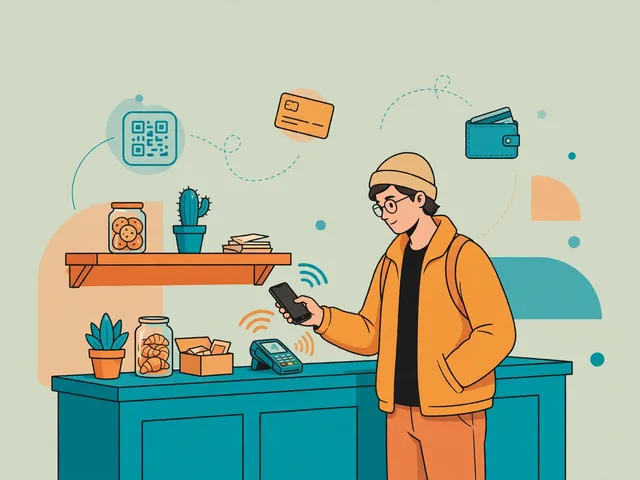
The biggest change is speed. Buying vegetables, paying for a bus ride, splitting a restaurant bill with friends, or recharging a phone plan no longer needs exact change or a trip to an ATM. You open an app, confirm the amount, and you are done. For shoppers, that means shorter queues and fewer awkward moments at the till. For shopkeepers, it means the money reaches their account quickly, without counting notes at the end of a long day or worrying about counterfeit currency.
This convenience is not limited to big cities or large stores. Small tea stalls, street vendors, auto drivers and local kirana shops now display a QR code beside the cash box. A customer scans it, enters the amount, and pays — even for a purchase worth just a few rupees. What once required a card machine and a bank merchant account can now start with a printed code and a basic smartphone.
Small Businesses Are Gaining the Most
For small businesses, digital payments do more than speed up sales. Every digital transaction leaves a clear record. That record helps a shop owner see which days are busy, which products sell best, and how much money actually came in. Over time, those records can also help when applying for a loan, because a lender can see a real history of earnings instead of relying only on guesswork.
Digital payments also open new ways to sell. A home baker, a tutor, or a small clothing seller can take orders through messages, share a payment link, and deliver without meeting the customer in person. Payments for subscriptions, school fees, electricity, water and broadband have moved the same way — set up once, paid on time, with a receipt stored automatically instead of a paper bill tucked into a drawer.

Paying Friends, Family and Anyone, Instantly
Sending money to another person used to mean a bank visit, a long account number, and a wait. Now transfers between friends and family often arrive in seconds, at any hour, including weekends and holidays. That changes everyday moments: parents can send money to a child studying in another city, friends can settle a shared cab fare before they reach home, and families can help each other quickly in an emergency.
It also changes how we organise our money. Most payment apps show a simple history of what you spent and where. Seeing that list — food deliveries, travel, bills, shopping — makes budgeting less of a chore. Many people now check their spending in the same app they used to pay, instead of waiting for a monthly statement they may never read carefully.
Safety Has Improved, but Habits Matter
Modern digital payments come with protections that cash simply does not have. Fingerprint or face confirmation, one-time codes, instant alerts for every transaction, and the ability to block a lost phone or card from another device all add layers of safety. If cash is stolen, it is usually gone. If a payment goes wrong digitally, there is often a record to show the bank and a process to dispute it.
Simple habits that keep digital payments safe:
- Never share your PIN, password or one-time code with anyone — banks never ask for them.
- Check the name and amount on screen before you confirm a QR payment.
- Use your phone's lock, fingerprint or face unlock, and keep your payment apps updated.
- Download payment apps only from the official app store, and ignore payment links from unknown messages.

What Still Needs to Get Better
Digital payments are not perfect for everyone yet. They depend on a phone, a data connection and electricity — things that can fail exactly when you need to pay. Older people and those new to smartphones may find apps confusing, and a fear of pressing the wrong button keeps some people with cash. Fees, failed transactions that take days to reverse, and too many different apps can also frustrate users.
The good news is that these problems are being worked on. Payment systems are becoming simpler, with fewer steps, voice guidance and support in local languages. Offline and low-data options are being tested, and clearer refund timelines are making failures less stressful. Cash will not disappear overnight, and for many situations it should not — but it is no longer the only practical choice.
The Everyday Change That Adds Up
The real transformation is not any single app or technology. It is the habit change: paying, sending and tracking money now happens in the flow of the day, in seconds, from almost anywhere. A farmer can receive payment for produce without travelling to a bank. A student can pay fees from home. A small shop can prove its earnings and plan its stock. Added together, millions of these small, easy transactions make the whole economy faster, more transparent and more inclusive.
Digital payments will keep evolving — with smarter fraud checks, easier cross-border transfers and payments built into the devices we already carry. The wallet in your pocket may get thinner, but what it can do is growing every year. Learning the basics, and the safety habits that go with them, is now as everyday a skill as counting change once was.
