How the Internet of Things Is Connecting Our World
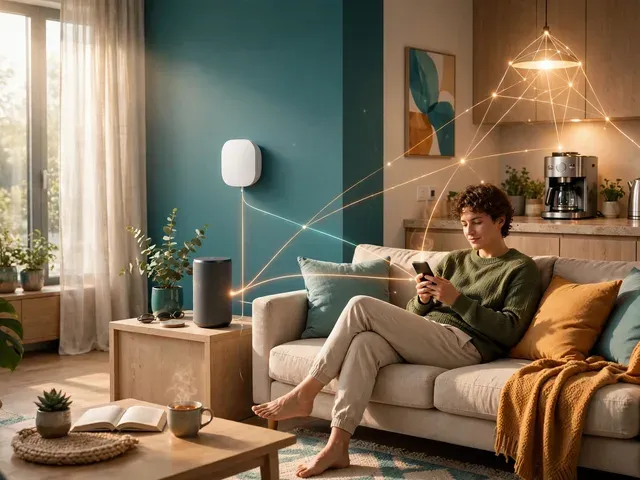
Did you know your fridge can now order milk before you run out, and your watch can warn you about your heart before you feel a thing? This is not science fiction any more. The Internet of Things is connecting our world quietly, one everyday object at a time — and it is probably already working inside your home.
The idea sounds technical, but the change is deeply personal. It affects how we sleep, travel, stay healthy and save money, often without us noticing a thing.
What Is the Internet of Things, in Simple Words?
The Internet of Things, often shortened to IoT, means ordinary objects that can connect to the internet and share information. A bulb, a door lock, a wristwatch or even a water bottle can carry a small sensor and a tiny chip.
Those sensors notice things: temperature, movement, location, heartbeat or whether a door is open. The device then sends that information to an app or another device, which can act on it automatically.
Think of it as giving everyday things three simple abilities:
- Sense — notice what is happening around them.
- Share — send that information over the internet.
- Respond — switch on, warn you, or adjust themselves.
How the Internet of Things Is Connecting Our World at Home
The smart home is where most of us meet IoT first. A thermostat learns when you leave for work and lowers the heating, saving energy while you are away.
Smart lights turn on as you walk in, video doorbells let you speak to a delivery person from another city, and washing machines send a message when the cycle ends. Each device is small on its own, but together they make a home that responds to you.
The real magic is in routines. One tap on “Good night” can lock the doors, dim the lights, set the alarm and lower the temperature — no running around the house required.
Connected Health: Care That Watches Over You
Wearables have turned our wrists into tiny health assistants. Smartwatches and fitness bands track steps, sleep, heart rate and even blood oxygen through the day and night.
For people with long-term conditions, connected devices can be life-changing. A glucose monitor can share readings with a doctor, and a smart pill box can remind an elderly parent to take medicine on time.
The benefit is early action. Small changes in the data can flag a problem days before it becomes an emergency, giving doctors and families precious time.

Smarter Cities, Smoother Journeys
Step outside, and the connections continue. Many cities now use sensors to manage traffic, adjusting signal timings so fewer cars sit idling at red lights.
Your bus can share its live location, so an app tells you the real arrival time instead of a guess. Street lights dim when a road is empty, saving power, and smart parking sensors guide drivers straight to a free space.
Even the humble dustbin is joining in. In some cities, bins signal when they are full, so collection trucks visit only where they are needed and skip the rest.
Farms and Factories Are Joining the Network
IoT is not only for homes and cities. On farms, soil sensors measure moisture underground and tell farmers exactly which part of a field needs water — and which part does not.
That precision saves water, fuel and fertiliser while helping crops grow better. Drones and weather stations add their own readings, so decisions are based on facts from the field, not guesswork.

In factories, sensors listen to machines day and night. They can detect a worn-out part from a change in vibration and book a repair before the machine breaks down and stops the whole line.
The Benefits You Can Actually Feel
- Time saved — routines and automation handle small jobs for you.
- Lower bills — smart heating, lighting and water use cut waste.
- Better safety — leak, smoke and door sensors warn you early.
- Peace of mind — check on your home, car or loved ones from anywhere.
- Healthier habits — gentle data nudges you to move, rest and sleep well.
A Word of Care: Privacy and Security
Every connected device is also a small computer, so it deserves the same care as your phone. Weak passwords and outdated software are the most common ways problems begin.
The good news is that a few simple habits block most risks. You do not need to be a technical expert — you just need to set things up thoughtfully once.
5 Simple Steps to Get Started Safely
- Start with one device. A smart bulb, plug or speaker is enough to learn how it all works.
- Use a strong, unique password for every device account, and turn on two-step verification where offered.
- Keep software updated. Updates often fix security issues, so let devices update automatically.
- Buy from known brands that publish clear privacy policies and support their products for years.
- Review permissions. If a torch app asks for your contacts, that is a device you do not need.
Quick Recap
The Internet of Things gives everyday objects the power to sense, share and respond. It is making homes more comfortable, cities smoother, farms wiser and healthcare more personal — while asking us to be a little more careful with passwords, updates and privacy.
Start small, choose trusted devices, and let the connections grow around your life at your own pace.
Here is a question for you: which connected device has made the biggest difference in your daily life — or which one would you try first? Tell us in the comments below. And if you know someone who is curious about smart homes or wearables, please share this post with them — it might be exactly the gentle introduction they need.
