How Artificial Intelligence Is Changing Digital Marketing
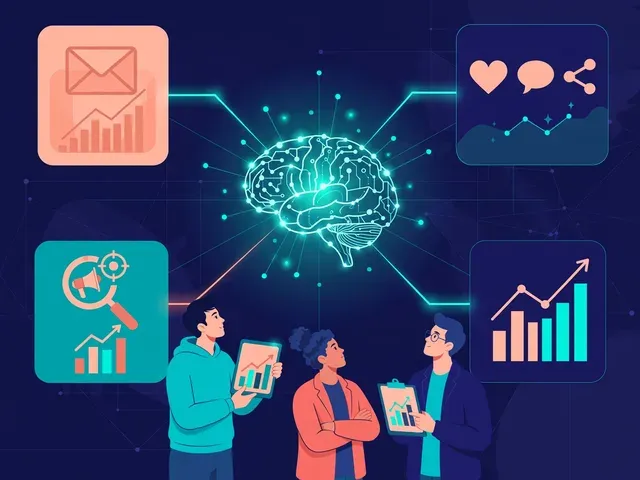
Have you ever opened your phone and felt like an ad read your mind? You looked at a pair of shoes once, and suddenly those shoes follow you everywhere — with the right size, the right colour, and a discount just when you were about to decide.
That is not luck. That is how artificial intelligence is changing digital marketing right now, quietly working behind the scenes of almost every click, search and purchase you make online.
The good news? You do not need a big budget or a technical degree to use it. Small businesses, creators and solo marketers are using the same ideas every day — and this post will show you how, in simple, practical steps.
Why Marketing Suddenly Feels So Different
Marketing used to be mostly guesswork. You made an ad, hoped the right people saw it, and waited weeks to find out if it worked.
Today, AI studies huge amounts of information in seconds — what people search for, what they click, when they buy, and what they ignore. It spots patterns no human could spot alone, and then helps you act on them instantly.
Think of AI as a fast, observant assistant. It does not replace your ideas — it helps you reach the right person, with the right message, at the right moment.
How Artificial Intelligence Is Changing Digital Marketing in Everyday Work
You are probably already seeing AI in your daily marketing, even if you did not notice it. It helps write subject lines, suggests the best time to post, and decides which version of an ad more people will click.
Here are the changes most marketers feel first:
- Faster work: First drafts of posts, emails and product descriptions appear in minutes, not hours.
- Smarter targeting: Ads are shown to people who are genuinely likely to be interested, not just everyone.
- Better timing: Messages go out when each person is most likely to open and respond.
- Clearer insights: Reports highlight what is working, instead of burying you in numbers.
None of this removes the human touch. It gives you more time for real conversations and genuine service.
Personalisation That Actually Feels Personal
We have all received a generic email that begins with the wrong name or recommends something we would never buy. It feels lazy, and most of us delete it straight away.
AI-powered personalisation is different. It looks at what a person has actually browsed, bought or enjoyed, and shapes the message around that — a homepage that shows relevant products, an email that follows up on something left in a basket, or a recommendation that genuinely helps.

Done well, personalisation respects people. Recommend what fits, and always make it easy to opt out. Trust is still your most valuable asset.
Helpful Chatbots and Faster Content Creation
Customers expect a quick answer at 9 pm just as much as at 9 am. Chat assistants can handle common questions instantly — delivery times, sizes, booking details — and pass trickier ones to a real person.
AI also speeds up content. It can suggest blog ideas from real search questions, turn one good idea into a post, a caption and an email, and help you rewrite a message so it is clearer and kinder.

The key rule is simple: let AI draft and assist, but let a human check, polish and approve. Your voice, your facts and your values should always have the final say.
Smarter Ads and Better Decisions From Your Data
Advertising used to mean picking an audience and hoping for the best. Now AI can test many versions of an ad at once, learn which headline or image works for which group, and shift your budget towards what is performing — while you sleep.
The same thinking helps with everyday decisions — which product to promote, which old post to update, which customers are drifting away. Start small: review one report each week and act on what you learn.
5 Practical Steps You Can Start This Week
- Pick one repetitive task. Drafting captions, sorting enquiries or writing first-draft emails are perfect places to begin.
- Try one tool properly. Use it daily for a week on real work, rather than testing five tools for ten minutes each.
- Clean up your customer list. Accurate names, interests and purchase history make every personalised message work better.
- Set up one helpful automation. A welcome email, a basket reminder or an instant answer to your most common question is enough to start.
- Review and refine every Friday. Check what AI produced, what people responded to, and what you will improve next week.
You do not need all five at once. One step, done consistently, will save you time within a fortnight.
What to Watch Out For
AI is powerful, but it is not perfect. It can sound confident while being wrong, repeat tired phrases, or produce something that does not sound like you at all.
Always check facts, names and prices before you publish. Be open when a chatbot is automated, protect personal information, and never paste private customer details into a public tool. Above all, do not let speed replace sincerity.
Quick Recap
- AI helps you reach the right people with the right message at the right time.
- Personalisation works best when it is useful, honest and respectful.
- Chatbots and content tools save time — but a human should always review the final result.
- Smarter ads and simple weekly data reviews lead to better decisions.
- Start with one small step this week and build from there.
Artificial intelligence will keep changing digital marketing, but the heart of good marketing has not changed at all: understand people, be genuinely helpful, and keep your promises. Use AI to do more of that, faster — not less of it.
Which part of your marketing would you most like AI to help with — writing content, answering customers, or understanding your data? Tell us in the comments, we would love to hear what you are trying.
And if you know a friend, colleague or small business owner who is curious (or a little nervous) about AI in marketing, please share this post with them — it might be just the gentle, practical start they need.
