Life & Work
The Art of Balancing Work and Personal Life
Work no longer ends when we leave the office — it follows us home in our pockets. Balance is not a perfect fifty-fifty split. It is a practice of boundaries, presence, and rest.
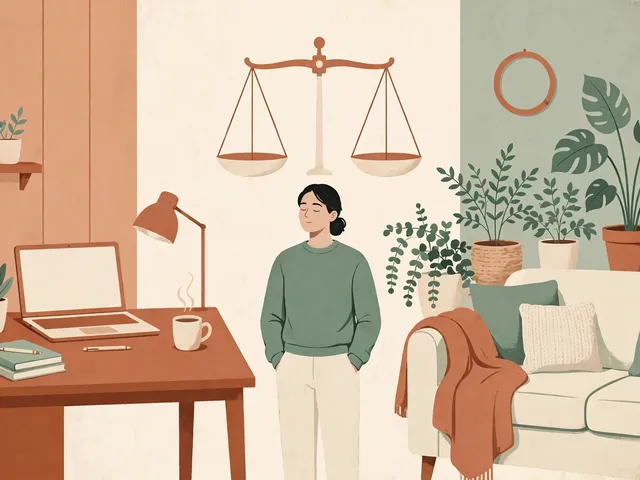
There was a time when work ended when you left the office. The door closed, the commute began, and the rest of the day belonged to you. Today, work travels with us. It sits in our pockets, glows on our nightstands, and quietly asks for just five more minutes at dinner, on weekends, and even on holiday. No wonder so many of us feel tired even after a full night's sleep — we are never fully at work, and never fully away from it either.
Balancing work and personal life is often spoken of as if it were a puzzle with a perfect solution. It is not. It is an art — something you practise, adjust, and return to, season after season. Balance is not about giving everything equal time every day. It is about making sure nothing important is neglected for too long.
Why Balance Feels So Hard Today
Modern work has lost its edges. Messages arrive at all hours, meetings stretch across time zones, and working from home has blurred the line between the desk and the dining table. At the same time, expectations have quietly grown. We try to be productive employees, present parents, loyal friends, fit, well-read, and calm — all at once.
The result is a particular kind of exhaustion. It is not only the tiredness of doing too much, but the strain of switching constantly — answering a message while helping with homework, thinking about a deadline while out for a walk. When everything competes for attention at once, nothing receives our full presence, and even rest starts to feel like another task we are failing at.
Balance Is Not Fifty-Fifty
A helpful first step is to let go of the idea of perfect balance. Your life is not a pair of scales that must sit level every evening. Think of it instead as tending a garden. Different plants need water at different times, but if you ignore one corner for months, it will wither. Work, family, friendships, health, and rest each need regular care — not equal hours, but honest attention.
This also means balance will look different for you than for your colleague or your neighbour. A new parent, a person caring for ageing parents, and someone building a business are carrying different loads. Comparing your rhythm to someone else's highlight reel only adds guilt. The real question is simpler: does your current way of living leave room for the people and things you say matter most?
Set Boundaries That Protect Your Time
Balance rarely happens by accident; it is protected by boundaries. Decide when your workday ends, and give that ending a small ritual — close the laptop, change your clothes, step outside for ten minutes. A clear finish line tells your mind it can stop rehearsing tomorrow's tasks.
Boundaries also mean being honest with others. You do not need to answer every message the moment it arrives, and you do not need to say yes to every request to prove you are committed. A polite “I can look at this tomorrow morning” protects your evening without harming your work. Most people respect clear limits far more than we fear.

Work Smarter During Work Hours
Protecting personal time is easier when work time is used well. Start the day by naming your one or two most important tasks, and do them before your attention is scattered by smaller demands. Group similar jobs together — messages in batches, meetings in blocks — so your mind is not constantly changing gears.
A short list you actually finish beats a long list that follows you home in your head. And when the day ends, write down tomorrow's first step. Parking an unfinished thought on paper lets your evening belong to you instead of to an open loop in your mind.
Make Rest a Real Part of Your Day
Rest is not a reward for finishing everything; it is part of how everything gets finished. A tired mind works slowly, snaps easily, and finds problems in everything. Short breaks during the day, a proper lunch away from the screen, and enough sleep at night are not luxuries.
Rest also needs variety. Sleep restores the body, but so do laughter, a walk without your phone, music, a hobby that uses your hands, or simply doing nothing for a while. Choose rest that leaves you feeling different, not just distracted.
Stay Present With the People You Love
The people in our lives rarely ask for grand gestures. They ask for presence — and presence is exactly what an overloaded schedule steals first. Put the phone in another room during meals. Listen to the whole story before reaching for a solution.
It helps to schedule personal life with the same seriousness as work. If family time, exercise, and friendships only get whatever time is left over, there will usually be nothing left over. Put them in the calendar first, and let work arrange itself around the life it is meant to support — not the other way round.

A Small Weekly Reset
Once a week, take fifteen quiet minutes to look at the days ahead. What does work truly need from you? What does your family need? What do you need? Move one thing if you can. Cancel one thing if you must. Balance rarely drifts away in one dramatic moment; it slips away in small, unexamined weeks — and it returns the same way, one small correction at a time.
Balance Is a Practice, Not a Prize
You will not get this right every week, and that is fine. The art of balancing work and personal life is not about reaching a perfect state and staying there. It is about noticing when the scales have tipped too far, and gently, without guilt, tipping them back. Work is a part of a good life. It was never meant to be the whole of it.

No comments:
Post a Comment