Living Well
Sustainable Living: Small Steps That Make a Big Difference
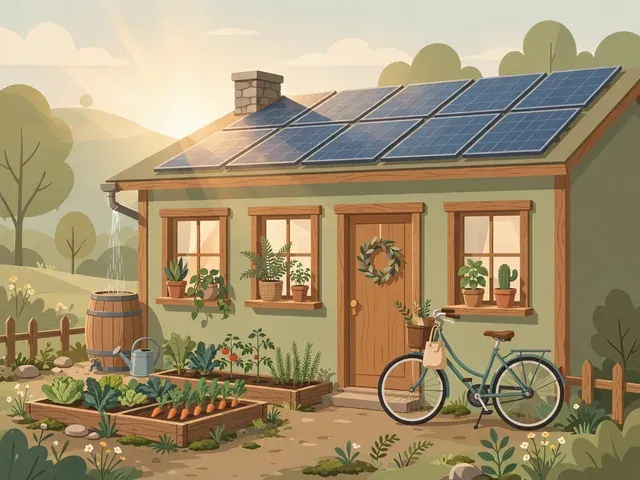
Sustainable living can sound like a huge project: new gadgets, a new house, a completely new life. In truth, it is mostly a collection of small, ordinary choices, repeated until they become habits.
Most of us will never live a perfectly waste-free life, and we do not need to. The planet does not need a handful of people doing sustainability flawlessly; it needs millions of people doing it imperfectly, every day. A shorter shower, a repaired jumper, a meal cooked from what is already in the fridge — none of these feels dramatic. Added together, across a household, a street and a city, they change how much energy we use, how much waste we make and how much money we spend. This post looks at the small steps that genuinely add up, and how to make them stick without turning your life upside down.
Start Where You Are
The easiest sustainable habit is the one that fits the life you already have. Before buying anything new, take a week to simply notice: where does your household throw things away, leave lights on, or let food spoil? That short audit tells you where your biggest wins are hiding. For one family it is food waste; for another, it is a draughty hallway or a car used for journeys of five minutes. Pick just one or two changes to begin with. A small step you keep is worth far more than a grand plan you abandon by February, and early wins build the confidence to try the next step.
Use Less Energy at Home
Home energy is one of the largest parts of most households' footprint, and some of the cheapest fixes are also the simplest. Switch off lights and appliances at the wall instead of leaving them on standby. Wash clothes at a lower temperature and let them air-dry when you can. Turn the heating down by a single degree — most people never notice the difference, but the saving shows up on every bill. When an appliance or bulb does need replacing, choosing an efficient model locks in those savings for years. None of this asks you to sit in the cold or the dark; it simply stops paying for energy nobody is using.
Rethink Food and Waste
The kitchen is where small steps multiply fastest. Plan meals around what you already have, keep a running shopping list, and treat use-by dates as a guide rather than a command — your nose and eyes are good judges too. Leftovers become tomorrow's lunch instead of tonight's bin. Vegetable scraps can go to compost, or even into a stock pot first. A few reusable staples — cloth bags, glass jars, a sturdy water bottle, a lunch box — quietly replace hundreds of single-use items over a year, and they pay for themselves surprisingly quickly.

Buy Less, Choose Better
Every product we buy carries a hidden cost in materials, energy and transport, so the most sustainable purchase is often the one we never make. Before buying, pause and ask whether you need it, whether you already own something similar, and whether it can be borrowed, rented or bought second-hand. When you do buy, choose things that are well made and repairable over things that are cheap and disposable. Repair deserves a special mention: sewing on a button, patching a favourite pair of jeans or fixing a wobbly chair keeps good things in use and rubbish out of landfill — and it is quietly satisfying, too.
Move Differently
Travel is another place where small shifts matter. You do not have to give up your car to make a difference; simply using it a little less helps. Walk or cycle the short journeys — the school run, the corner shop, the station — and you will often arrive in the same time, having spent nothing and gained a little exercise. For longer trips, sharing lifts, combining errands into one journey, or taking the train turns an ordinary week into a noticeably lighter one. Many people find these slower journeys become small pockets of calm in a busy day rather than a sacrifice.
Grow Something, Share Something
You do not need a big garden to grow food. A pot of herbs on a windowsill, a tomato plant on a balcony or a shared community plot all reconnect us with where food comes from — and food that travels ten steps instead of ten thousand miles tastes better, too. Sharing multiplies the effect: swap surplus vegetables with neighbours, pass on tools and toys, lend the ladder that everyone needs twice a year. Sustainability spreads socially. When people see a neighbour cycling, composting or mending, it stops looking unusual and starts looking normal — and normal is what changes the world.

Small Steps Add Up
The real secret of sustainable living is that it is not really about sacrifice. People who make these changes usually report saving money, eating better, feeling fitter and knowing their neighbours a little more. Start with one step this week — the easiest one you can think of. Keep it until it feels automatic, then choose the next. Step by step, season by season, an ordinary household can cut its waste, its bills and its footprint in half, without ever feeling like a project. Small steps, taken by many people, for a long time: that is what a big difference actually looks like.

No comments:
Post a Comment