How Technology Is Transforming the Healthcare Industry
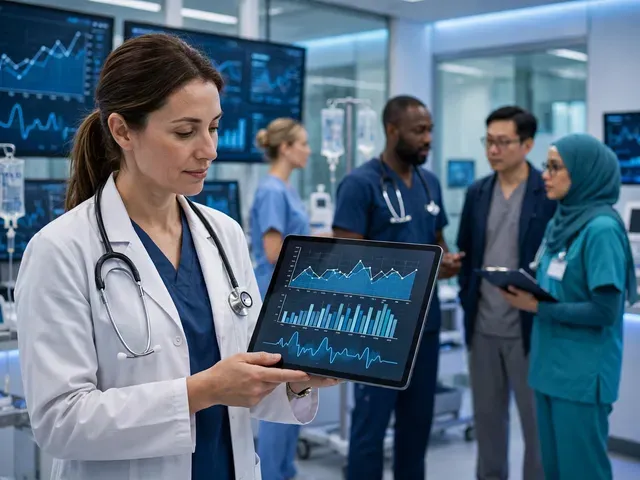
Not long ago, a visit to the doctor meant paper files, long waits, and test results that took days to arrive by post. Today, healthcare is being reshaped by technology at every step — from the moment you book an appointment to the way complex surgery is performed. What was once an industry known for moving slowly has become one of the most exciting places where innovation meets everyday life.
The change is not about gadgets for their own sake. It is about solving real problems: doctors who are stretched too thin, patients who live far from the nearest hospital, diseases that are caught too late, and treatments that work for some people but not others. Technology is helping healthcare become faster, more personal, and more accessible than ever before.
Care That Reaches You Anywhere
Telemedicine has changed what a doctor's appointment looks like. Instead of travelling to a clinic and sitting in a waiting room, patients can now speak to a doctor from their own sofa through a video call. For someone in a rural village, a parent with a sick child at midnight, or an elderly patient who finds travel difficult, this is a genuine lifeline.
Virtual consultations work especially well for follow-up visits, mental health support, minor illnesses, and managing long-term conditions such as diabetes or high blood pressure. Doctors can review symptoms, adjust prescriptions, and decide whether an in-person visit is truly needed. Hospitals save time and space, and patients save the journey — care simply fits around life instead of the other way round.

Smarter Diagnosis With Artificial Intelligence
Artificial intelligence is proving to be a powerful partner for doctors. Trained on millions of medical images, AI systems can spot patterns in scans and X-rays that even a trained eye might miss — the early shadow of a tumour, the first signs of eye disease in people with diabetes, or subtle changes in the heart's rhythm. In many studies, these tools match the accuracy of specialists, and they work in seconds.
AI also helps behind the scenes. It can read through a patient's history and flag risks before they become emergencies, predict which patients may need extra care after surgery, and help researchers discover new medicines far faster than traditional methods. Rather than replacing doctors, the technology gives them better information, earlier warnings, and more time to spend with the people in front of them.

Records That Follow the Patient
The paper file, once lost in a cabinet or left behind at another clinic, has largely been replaced by electronic health records. A patient's history — allergies, medicines, past operations, test results — now travels with them securely from one doctor to the next. When a patient arrives in an emergency room, the team treating them can see the full picture immediately, which avoids dangerous mistakes and repeated tests.
Patients benefit too. Most hospitals and clinics now offer apps and portals where people can view their own results, book appointments, request repeat prescriptions, and message their care team. Taking part in your own health records builds understanding and trust, and people who can see their progress are more likely to follow their treatment plans.
Technology is also changing how medicines reach patients. Pharmacy apps remind people when a dose is due, arrange automatic refills, and deliver prescriptions to the door, while smart pill bottles can quietly alert a family member or nurse if a dose is missed — small conveniences that make a real difference to staying well.
Wearables and Remote Monitoring
Some of the biggest changes are happening outside the hospital entirely. Smartwatches and fitness bands quietly track heart rate, sleep, activity, and even blood oxygen levels around the clock. For people with heart conditions, small home devices can send readings straight to their doctor, who can spot a worrying trend and act before it becomes an emergency.
This kind of remote monitoring is especially valuable after surgery or for long-term illnesses. Instead of returning to hospital for every check, patients recover at home while their care team keeps a watchful eye from a distance. Problems are caught earlier, hospital beds are freed for those who need them most, and people get to heal in the comfort of their own homes.
Robots and the Modern Operating Theatre
In operating theatres, robotic systems allow surgeons to work with extraordinary precision through tiny incisions. Smaller wounds mean less pain, less scarring, and faster recovery for patients. Meanwhile, virtual reality is training the next generation of doctors, letting students practise difficult procedures in a realistic setting where mistakes carry no risk. Technology is also reaching hospital corridors, where robots deliver medicines and supplies, freeing nurses to spend more time on care itself.
The Challenges We Still Have to Solve
Progress brings real concerns. Health data is deeply personal, so keeping it safe from breaches is essential, and patients must be able to trust how their information is used. New technology can also be expensive, and there is a risk that the best digital care goes only to those who can afford the latest devices or a fast internet connection. Doctors and nurses need proper training, too — a powerful tool helps no one if the people using it have not been shown how.
What Comes Next
The direction of travel is clear. Treatment will become more personal, built around each patient's genes, habits, and history rather than a one-size-fits-all approach. Care will continue moving out of hospitals and into homes, and problems will increasingly be prevented rather than simply treated. Technology is transforming healthcare not by removing the human touch, but by protecting it — giving doctors better tools, giving patients more control, and giving everyone a better chance of a longer, healthier life.

No comments:
Post a Comment